T: +86-139-5050-9685
E: sales@bycpower.com
E: sales@bycpower.com
No. 13, Jincheng road, Tiehu village, Chengyang town, Fuan city, Fujian, China


Views: 0 Author: Site Editor Publish Time: 2026-05-09 Origin: Site


Mission-critical facilities face a grim reality when the utility grid fails. Hospitals risk patient lives, data centers lose critical information, and heavy manufacturing plants suffer immediate production halts. These demanding environments simply cannot tolerate electrical instability. A brief outage often causes severe financial losses or creates severe safety hazards for on-site personnel.
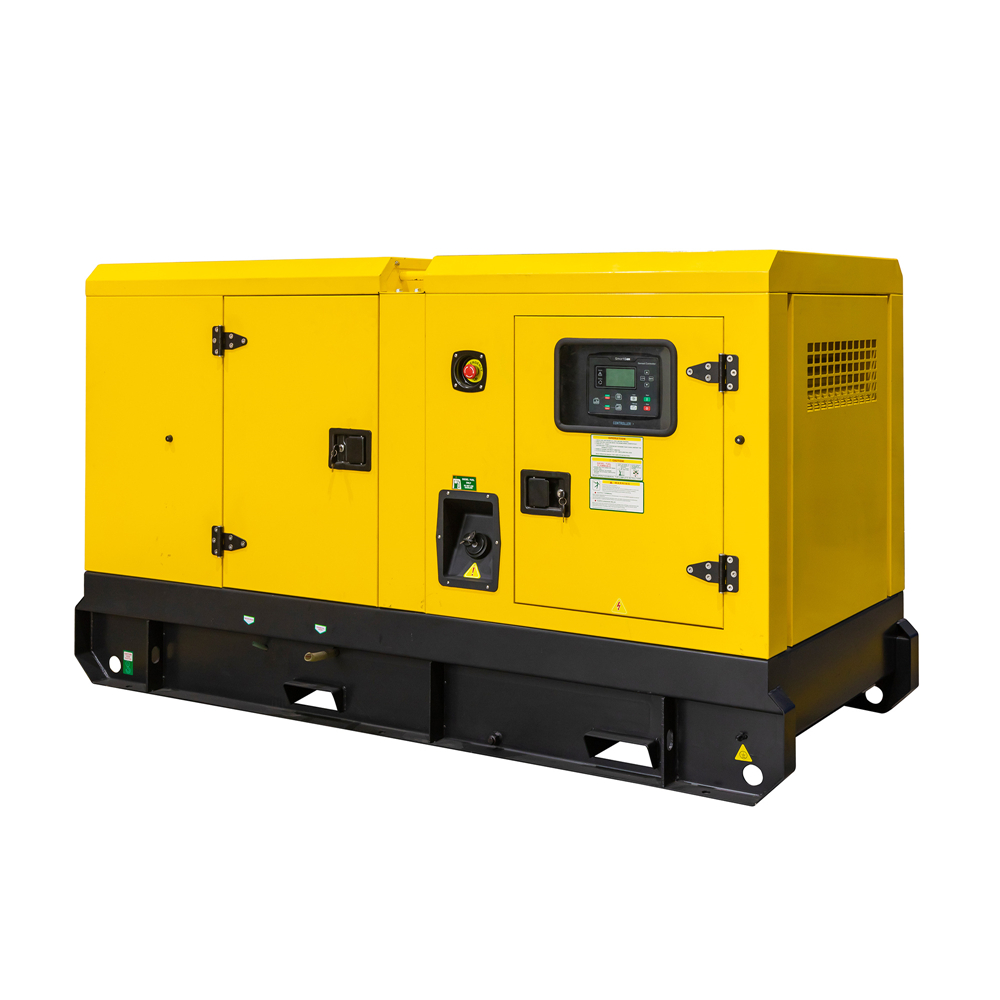
To prevent catastrophe, an industrial diesel generator acts as a vital facility safeguard. Often called a generator set, this equipment represents far more than just a simple backup engine. It functions as a highly robust, automated power security system. Engineers specifically design these units to manage massive electrical surge currents and survive prolonged utility failures without faltering.
We wrote this guide to bridge the gap between complex technical mechanics and practical procurement realities. You will learn the underlying physics of emergency power generation. We also explore key system architectures and standardized equipment power ratings. By the end, operators can confidently evaluate their facility load profiles and shortlist the exact machinery they need.
Energy Conversion: Diesel generators do not "create" electricity; they use controlled combustion to generate mechanical energy, which then drives an alternator to force electrons through a circuit (electromagnetic induction).
Automated Reliability: Paired with an Automatic Transfer Switch (ATS), modern units detect grid failure, cold-start, and stabilize load transfers in under two minutes.
Sizing is Critical: Purchasing requires matching load profiles to standardized ratings (Standby, Prime, or Continuous) to avoid system failure or inefficient fuel burn.
Lifecycle Longevity: With strict preventative maintenance, heavy-duty diesel engines can reach up to 30,000 operational hours, significantly outlasting many alternative power sources.
Engineers often describe power generation as a double-cascade energy conversion. A power generator simply transforms one energy type into another. First, the system converts the chemical energy stored in diesel fuel into mechanical rotational energy. Next, the alternator transforms this mechanical motion into usable electrical energy. This sequential process forms the foundation of all modern backup power systems.
The entire operation begins in the combustion phase. Unlike traditional gas engines, diesel engines do not rely on spark plugs. Instead, they use high-pressure compression ignition. The engine draws in ambient air and compresses it tightly inside the cylinder. This extreme compression raises the internal air temperature significantly. Atomized diesel fuel is then injected directly into the superheated environment. The resulting controlled explosion drives the internal pistons downward. This powerful downward stroke turns the heavy steel crankshaft.
Electromagnetic induction takes over next. You can think of the alternator as a massive water pump. The rotating crankshaft turns a rotor directly inside a fixed stator. The spinning rotor acts as an incredibly powerful electromagnet. The stationary stator contains thick, tightly wound copper coils. As the magnetic field spins, it forces existing electrons to move through the copper circuit. The generator never actually manufactures electricity from nothing. It merely pushes electrons along, much like a mechanical pump moves water through building pipes.
Finally, the voltage regulator steps in as the ultimate gatekeeper. Engine speeds naturally fluctuate slightly during heavy operation. However, sensitive facility electronics require perfectly stable alternating current (AC). The voltage regulator dynamically monitors and adjusts the field current. It ensures the output voltage remains constant, pure, and entirely safe for connected equipment.
A commercial power system contains several interconnected subsystems. Each physical part plays a critical role during extended grid outages. Understanding these components helps maintenance teams identify system vulnerabilities early.
The engine and alternator serve as the primary workhorses. Heavy-duty engines deliver the immense physical torque required to maintain steady RPMs under sudden facility loads. Engineers pair these massive engines with equally robust alternators. The alternator requires heavy-gauge copper windings. These thick copper windings handle the harsh inductive loads caused by massive electric motor startups.
Fuel and lubrication systems keep the engine alive during crises. The fuel loop includes primary filtration units, ventilation lines, and overflow safety valves. This loop ensures clean diesel reaches the engine injectors at the exact required pressure. Meanwhile, continuous lubrication prevents catastrophic internal friction. High-capacity oil pumps circulate premium oil to all rapidly moving internal parts. Continuous, clean lubrication remains non-negotiable for 24 to 72-hour continuous emergency runs.
Cooling and exhaust systems manage the extreme thermal output. Heavy-duty industrial radiators dissipate engine heat rapidly to prevent core melting. Industrial exhaust setups channel dangerous carbon monoxide fumes away safely. Proper emissions management components, such as particulate filters, ensure strict local environmental compliance.
The control panel and Automatic Transfer Switch (ATS) act together as the system's brain. The control panel monitors vital signs like oil pressure and coolant temperature. The ATS workflow follows a strict, rapid sequence to restore power:
Utility power loss is instantly detected by the ATS voltage sensors.
An engine start signal goes directly to the main control panel.
The engine cranks rapidly, and the output speed/voltage completely stabilizes.
The ATS safely transfers the physical facility load from the dead grid to the generator.
Buying equipment based solely on maximum wattage represents a critical engineering error. Facility managers must strictly match their precise load profiles to established industry sizing standards. Failing to do so causes rapid engine degradation or immediate catastrophic failure.
Below is a summary chart explaining the three standard power ratings used globally:
Standard Power Rating | Primary Application Intent | Run-Time Limitations | Permitted Overload Capacity |
|---|---|---|---|
Standby Power | Emergency backup only during utility grid failures. | Limited run-time per year (typically under 200 hours). | Strictly zero overload capacity allowed. |
Prime Power | Primary power source for facilities with variable loads. | Unlimited operational hours annually. | Allows 10% overload for 1 hour every 12 hours. |
Continuous / Base Load | Constant, unvarying electrical loads running 24/7. | Unlimited (engineered to run 500+ hours straight). | No overload; operates efficiently at a steady 100% capacity. |
Beyond distinct sizing rules, operators must determine the correct operational architecture. In highly remote locations, equipment often runs exclusively in Island Mode. Mining sites and deep-sea offshore rigs utilize this specific mode. The diesel generator functions as the solitary power source. It operates entirely independently of any municipal grid.
Alternatively, advanced facilities use Grid Support or Parallel Mode. Engineers synchronize multiple separate units together. They utilize specialized modules to perfectly match the voltage, frequency, and phase of each connected machine. Parallel units share massive heavy loads seamlessly. Furthermore, utility companies frequently rent parallel setups for utility peak-lopping during high-demand summer months.
We routinely see operators comparing diesel engines to natural gas alternatives. Diesel consistently offers vastly superior thermal efficiency. Diesel fuel simply contains a substantially higher energy density. It burns significantly hotter and produces far more mechanical work per injected gallon. To achieve peak fuel efficiency, operators should ensure generators run at roughly 65% to 80% of their rated load capacity.
Diesel engines also inherently excel at handling high surge currents. When heavy facility machinery turns on, electric motors demand a massive initial starting surge. A diesel engine produces incredible low-end rotational torque. It handles these sudden electrical spikes much better than lighter natural gas alternatives. This precise physical advantage makes diesel the undisputed choice for heavy manufacturing operations.
Operational economics naturally dictate procurement choices. Fuel consumption represents a massive portion of standard running expenses. Many facility managers wisely utilize off-road dyed diesel for fixed standby units. This specialized fuel is chemically identical to standard ultra-low sulfur diesel. However, federal authorities dye it red to indicate it is legally exempt from highway road taxes. Utilizing dyed fuel significantly lowers ongoing operational expenditure during long outages.
Expected lifecycle lifespan represents another massive inherent advantage. A highly maintained heavy-duty diesel unit can easily reach 30,000 operational hours. Natural gas engines rarely last this long under heavy duress. However, operators must proactively prevent poor running habits. Chronic under-loading causes harmful wet stacking, which rapidly ruins exhaust systems. Skipped oil changes drastically accelerate internal friction wear. Poor routine maintenance can slash a robust engine's lifespan down to an abysmal 10,000 hours or less.
Deploying a highly reliable standby generator involves careful physical footprint planning. The equipment's overall size heavily dictates the required enclosure type and installation location.
Open frame setups work exceptionally well for dedicated indoor plant rooms. They offer mechanics incredibly easy access to engine components. Conversely, outdoor exterior installations require specialized sound-proof and weather-proof enclosures. Top manufacturers build these rugged housings using premium galvanized sheet metal. They apply thick industrial powder coating to survive harsh external environments and completely block deafening engine noise.
Robust anti-vibration systems are absolutely necessary for permanent installations. Massive spinning engines produce violent kinetic energy. Installers must securely mount the engine and alternator on heavy-duty vibration isolators. These specialized rubber or steel spring mounts absorb the severe shaking. They actively prevent long-term structural damage to the concrete facility floor and protect the actual generator base frame itself.
Finally, facility directors must understand the absolute burden of preventative maintenance. Mechanical reliability is directly proportional to maintenance quality. A highly realistic service regimen includes several specific mandatory tasks:
Routine Load-Bank Testing: Running the engine at full load artificially. It safely burns off internal carbon deposits and completely prevents wet stacking.
Rigorous Fuel Polishing: Diesel degrades naturally during long idle periods. Polishing removes separated water, heavy sludge, and destructive microbes from the main storage tank.
Battery Charger Monitoring: Dead starting batteries cause most backup power startup failures. Technicians must aggressively check voltage levels and charger output weekly.
A commercial emergency power system represents a vital, long-term capital investment. It acts as an unbreakable insurance policy against catastrophic facility downtime. Its true strategic value lies in exceptionally high thermal efficiency, incredible surge-handling capability, and rapid automated response. When the municipal utility grid collapses, this heavy-duty equipment keeps critical operations running smoothly.
To move forward successfully, decision-makers must take proactive steps. First, conduct a highly comprehensive load profile analysis. You must carefully assess both steady-state continuous running loads and sudden transient starting loads. Next, consult directly with a certified power generation engineer. Doing so ensures you accurately shortlist the absolute best genset models for your precise operational demands.
A: Run-time depends entirely on your continuous fuel supply capacity and the exact power rating. Standby models typically safely run for 24 to 72 hours during a standard utility outage. Conversely, Prime and Continuous rated models feature advanced cooling systems designed specifically to run for hundreds of hours continuously.
A: Portable units rely heavily on gasoline or propane, produce limited output, and require slow manual connection. Standby systems represent permanent, fixed industrial installations. They pair directly with an Automatic Transfer Switch to automatically detect grid failures and instantly restore massive facility power within seconds.
A: Ultra-Low Sulfur Diesel (ULSD) remains the strict industry standard. For stationary industrial use, off-road dyed diesel provides legitimate state tax savings while delivering identical mechanical performance. Operators can utilize biodiesel blends, but this requires specific injector adjustments and explicit written approval to maintain OEM manufacturer warranties.