T: +86-139-5050-9685
E: sales@bycpower.com
E: sales@bycpower.com
No. 13, Jincheng road, Tiehu village, Chengyang town, Fuan city, Fujian, China


Views: 0 Author: Site Editor Publish Time: 2026-06-10 Origin: Site


Choosing a reliable backup power generator often forces buyers into a difficult dilemma. You need steady emergency power, but you likely want to avoid overspending on massive, complex industrial equipment. Finding the right balance matters. You want a machine strong enough to keep critical systems running without draining your budget.
An air cooled diesel generator serves as the perfect middle ground. It bridges the gap between cheap, short-lived gasoline units and expensive, permanent liquid-cooled systems. This technology offers robust power generation without the intricate plumbing of heavy-duty commercial units.
This guide provides an unfiltered, engineering-based look at what these air-cooled systems can actually handle. We will focus on real-world constraints, installation realities, and long-term operating value. You will learn exactly how to size, place, and maintain these machines for maximum efficiency.
Cost vs. Complexity: Air-cooled units are typically 30–50% cheaper upfront and eliminate coolant-related maintenance, but operate at higher RPMs.
Run-Time Reality: Ideal for intermittent outages rather than 24/7 continuous primary power, often requiring a cool-down period during prolonged use.
Optimal Sizing: A 5kva diesel generator to 10kva diesel generator hits the sweet spot for homesteads, mobile businesses, and small off-grid setups.
Durability: Offers 35-45% better thermal fuel efficiency and up to 3x the lifespan of a standard gasoline alternative.
Most large power plants use liquid coolants to manage engine heat. A smaller system takes a different approach. These units rely heavily on metal cooling fins and high-velocity fans. The engine block features external fins to increase surface area. A forced-air fan blows cooler ambient air across these metal ridges. This strips heat away from the engine block directly. You completely avoid closed-loop radiators, water pumps, and antifreeze mixtures. This design strips away layers of mechanical complexity. Fewer parts mean fewer potential failure points during an emergency.
You must understand the physical operating speeds. To generate standard 60Hz electrical power in North America, smaller air-cooled units typically run at 3600 RPM. They use two-pole alternator designs. Larger liquid-cooled units use four-pole alternators. This allows them to run at a relaxed 1800 RPM while producing the exact same 60Hz frequency. Running at 3600 RPM means the engine works twice as fast. This physical reality generates more heat and vibration. However, it also allows the entire machine to remain compact and lightweight.
Diesel fuel holds a massive chemical energy advantage over gasoline. Thermal efficiency dictates how much fuel actually turns into usable electricity. A small diesel generator typically achieves 35% to 45% thermal efficiency. Gasoline engines hover around 25% to 30%. You burn significantly less fuel for the same electrical output. Diesel is also far safer to store long-term. It operates as a combustible oil rather than a highly volatile, explosive liquid. It will not evaporate quickly or degrade as rapidly as ethanol-blended gasoline in a storage tank.
Cost savings represent the biggest draw for buyers. You eliminate liquid cooling components entirely. This reduces the purchase price by up to 50% compared to liquid-cooled equivalents. Installation friction drops drastically as well. Heavy-duty liquid systems often require custom concrete foundations. You might even need heavy cranes to drop them into place. Air-cooled models skip this headache. Two strong adults or a standard pallet jack can move most units easily. You can set them up on basic level ground or simple gravel pads.
This streamlined design is the absolute standard for a portable air cooled generator. Their footprint remains small. You can fit them in the back of a standard pickup truck. Construction crews rely on this mobility to power remote job sites. Food truck operators use them to run appliances without sacrificing valuable interior space. Off-grid cabins benefit because you can roll the unit out of a shed only when you truly need it. You are never permanently anchored to one location.
Extreme environments destroy fragile equipment. Sand, dust, and freezing temperatures ruin complex cooling loops. Air-cooled engines thrive here. Consider the common maintenance issues you completely avoid:
No Coolant Leaks: Hoses crack and leak over time. Air cooling eliminates rubber coolant hoses entirely.
No Radiator Flushes: You never need to flush rusty coolant or mix chemical antifreeze.
No Winter Freezing Risks: Water expands when it freezes, cracking engine blocks. An engine without water cannot suffer freeze-cracking.
This makes the machine highly resilient in remote environments. You do not need specialized technicians to keep it running. Basic oil changes and air filter swaps handle 90% of your maintenance needs.
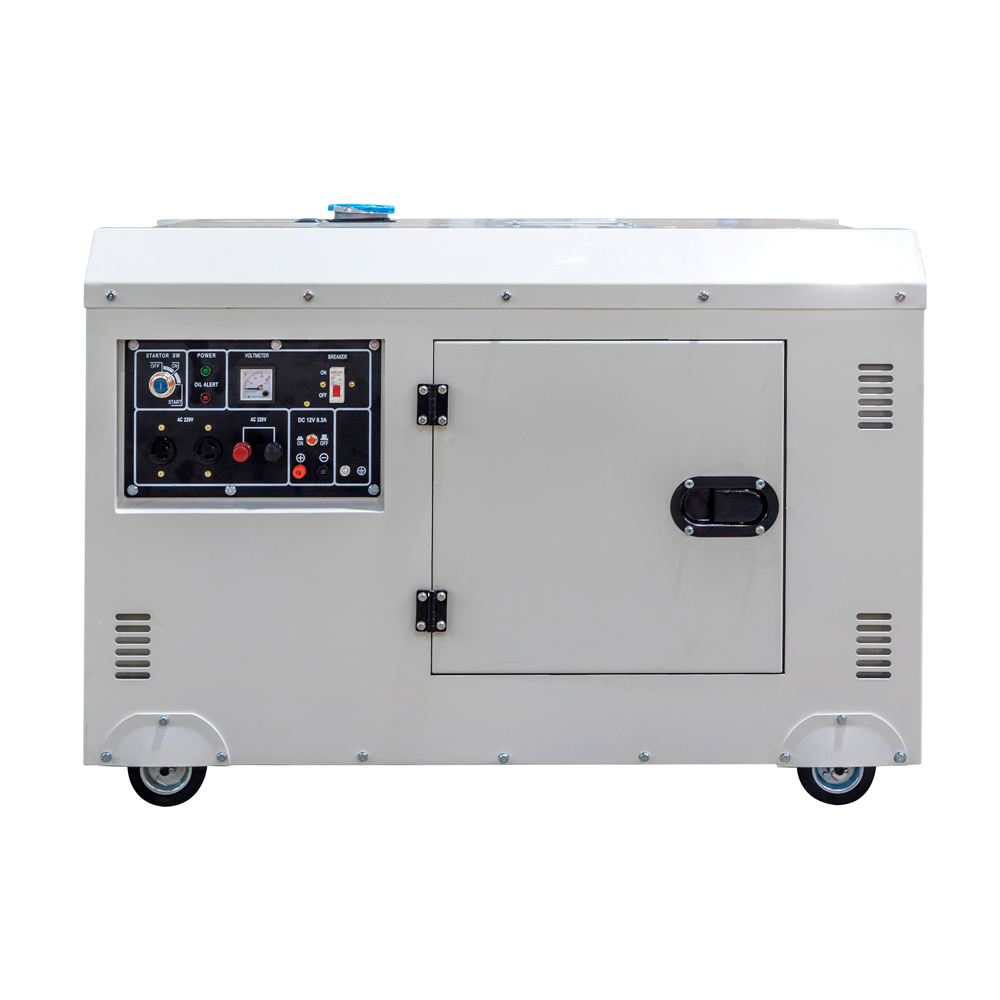
Marketing brochures rarely discuss the "duty cycle" reality. Air-cooled engines manage heat well, but they face thermal saturation over time. They are not designed for true 24/7 continuous primary power. Manufacturers often recommend strict operational breaks. A common guideline involves stopping the machine for 2 hours every 22 hours of runtime. This brief shutdown allows engine oil to cool down. It prevents critical internal components from warping. Ignoring this cool-down period risks catastrophic overheating.
Ambient air acts as the only cooling mechanism. If the outside air gets too hot, cooling efficiency plummets. When ambient temperatures exceed 40°C (104°F), you will likely experience engine derating. The machine forces itself to produce less power to protect internal parts. A unit rated for 10,000 watts might only safely output 8,000 watts during a severe summer heatwave. You must plan for this capacity drop if you live in extreme desert climates.
Physics demands a toll for compactness. The consistent 3600 RPM operation creates much higher mechanical stress. Fast-moving internal parts generate high-frequency vibration. This translates to an expected operational lifespan of 10,000 to 15,000 hours. While this is excellent compared to standard gasoline units, it equals roughly half the lifespan of a heavy liquid-cooled diesel operating at 1800 RPM. You trade ultimate longevity for simplicity and lower initial cost.
Sound mitigation proves difficult. The cooling fan must spin rapidly to force massive amounts of air over the engine block. This generates significant fan noise alongside the mechanical combustion clatter. Even "super silent" enclosed models produce notable sound. They often sit 5 to 10 decibels louder than a liquid-cooled equivalent. You must place these units strategically. Keep them far away from bedroom windows or quiet living quarters to maintain a peaceful environment.
Guessing your power requirements leads to disaster. Buying too small means tripping breakers constantly. Buying too large means wasting fuel and risking engine glazing from under-loading. Use a strict framework to calculate your true load.
Identify Running Watts: List all appliances you must run simultaneously. Check their spec plates for amperage.
Apply the Formula: Multiply Volts by Amps, then divide by 1000 to find Kilowatts (KW = Volts x Amps / 1000).
Factor Surge Loads: Heavy motors require massive startup surges. Well pumps and HVAC compressors often draw triple their running wattage for the first three seconds. Always size your unit to handle your highest single surge load.
Appliance Type | Average Running Wattage | Estimated Startup Surge Wattage |
|---|---|---|
Refrigerator / Freezer | 600W - 800W | 1,800W - 2,400W |
Well Pump (1/2 HP) | 1,000W | 3,000W |
Window AC Unit (10,000 BTU) | 1,200W | 3,600W |
Standard Lighting & Electronics | 300W - 500W | None (Resistive Load) |
A 5kva diesel generator hits the sweet spot for essential residential circuits. It sips fuel slowly. It easily powers a refrigerator, a few lights, a computer setup, and a small space heater. Prepper basecamps and off-grid solar cabins rely heavily on this size. It provides perfect supplementary power for charging depleted battery banks during cloudy winter days. Its primary appeal lies in extreme fuel efficiency and easy portability.
Stepping up to a 10kva diesel generator changes your capability entirely. This size serves as an ideal whole-home backup solution. It runs central air conditioning units, heavy well pumps, and full kitchen setups simultaneously. You only need to exclude heavy electric heat elements to avoid overloading. Small telecom towers and robust mobile commercial applications frequently use this size to maintain uninterrupted daily operations.
You must decide on physical casing. Open-frame models expose the engine directly to the air. They offer superior cooling, much easier maintenance access, and lower costs. However, they are loud and vulnerable to weather. Silent enclosed models feature weather-proof metal cabinets lined with sound-dampening foam. They meet strict residential noise compliance codes and block rain. The trade-off involves slightly higher heat retention and a higher purchase price.
Making the right choice requires brutal honesty about your operational needs. Use the following parameters to finalize your decision.
You cannot use air-cooling if your facility demands 7x24h zero-downtime continuous power. Data centers and life-support medical clinics cannot tolerate a two-hour cool-down period. Furthermore, if strict local noise ordinances mandate sub-55 dB operation at property lines, these machines will likely fail compliance tests.
You should purchase this system if your primary goal involves emergency backup for sporadic grid failures. It provides high-torque, fuel-efficient power without the headache of stagnant coolant maintenance. It also remains the only viable choice if you need to move the unit between different properties regularly.
Proper installation guarantees longevity. Observe these critical steps during setup:
Mounting: Always install solid anti-vibration mounting pads to prevent the 3600 RPM shaking from damaging the frame.
Ventilation: Ensure massive clearance around the unit. The cooling fan needs unrestricted fresh air intake and clear paths for hot air exhaust.
Spacing: Adhere to strict residential spacing codes. Keep the exhaust pipe at least 20 feet away from any structure windows or intake vents to prevent carbon monoxide pooling.
Decision Metric | Air-Cooled Diesel | Liquid-Cooled Diesel |
|---|---|---|
Initial Purchase Price | Lower (Often 30-50% cheaper) | Higher (Requires radiator/pumps) |
Operating Speed | 3600 RPM | 1800 RPM |
Maintenance Needs | Low (Oil and filters only) | Moderate (Coolant flushes, hose checks) |
Continuous Runtime | Intermittent (Cool-down required) | Continuous (Days to weeks uninterrupted) |
Noise Level | Moderate to High | Low to Moderate |
An air-cooled diesel generator proves itself as a highly pragmatic, cost-effective workhorse. It fits perfectly for buyers who demand rugged reliability but simply do not require continuous, industrial-grade primary power. You gain the thermal efficiency and safety of diesel fuel while skipping the heavy maintenance burdens of a liquid plumbing system. The higher mechanical noise and mandatory cool-down periods represent minor trade-offs for the vast improvement in mobility and pricing.
Your next steps require practical action. Audit your critical electrical loads carefully to determine your peak wattage needs. Assess your local climate extremes to anticipate potential thermal derating. Finally, consult with a certified electrician or installer to confirm sizing before finalizing your purchase. Proper planning ensures you secure reliable power exactly when the grid fails.
A: No. Manufacturers strongly advise against uninterrupted multi-day running. These machines rely on ambient air cooling and require routine cool-down periods to prevent thermal damage. You should generally shut the unit down for 1 to 2 hours every 22 hours to let the engine block cool and to check oil levels.
A: Open-frame models run quite loud, often exceeding 80 decibels. Enclosed "silent" models perform much better, generally sitting around 65-70 dB measured at 7 meters. This volume resembles steady street traffic or a very loud conversation. You should position them carefully away from bedroom windows.
A: Maintenance remains remarkably simple. You must change the engine oil and replace the oil filter every 200 to 250 operating hours. You should also inspect the air filter frequently, especially in dusty environments, and occasionally check the exhaust system for excess carbon buildup.
A: Yes. Extreme cold poses fewer risks because there is no liquid coolant to freeze and crack the engine block. However, cold temperatures make diesel fuel gel and thicken engine oil. You may need a magnetic block heater and winter-blend diesel fuel to ensure rapid, easy starting.