T: +86-139-5050-9685
E: sales@bycpower.com
E: sales@bycpower.com
No. 13, Jincheng road, Tiehu village, Chengyang town, Fuan city, Fujian, China


Views: 0 Author: Site Editor Publish Time: 2026-02-27 Origin: Site


When selecting a generator for specific needs, understanding the differences between a container type generator and a regular generator is essential. The type of generator you choose can significantly impact its performance, durability, and overall efficiency, depending on the environment and intended use. In this article, we will explore the characteristics, advantages, limitations, and common applications of both generator types. By comparing these features in detail, we aim to help you make an informed decision that best suits your power generation requirements. Additionally, we will answer some frequently asked questions to clarify common doubts and provide further insight into the practicalities of using each type of generator. Whether you're looking for a reliable backup power source for a remote construction site, an emergency power solution for critical facilities, or a cost-effective option for home use, understanding these key differences will guide you towards the right choice.
A container type generator refers to a diesel or gas-powered generator that is housed within a standard shipping container. These generators are designed to offer the same power output as conventional generators but with added features like noise reduction, weather resistance, and enhanced mobility. The containerized design provides a protective shell, making it ideal for outdoor, remote, or harsh environments.
Containerized generators are widely used in industries where power needs to be deployed quickly, safely, and efficiently in various locations. Here are some common applications:
Remote construction sites: Easy to transport and set up in rugged locations.
Emergency backup power: Often used in hospitals, data centers, and public facilities where constant power is critical.
Event venues and festivals: Providing reliable temporary power during large events.
Military operations: Quick deployment in temporary bases or remote locations.
A regular generator typically refers to a standard engine-driven unit that lacks the protective housing and robust features of a container type generator. At its core, a regular generator consists of three main components: the engine, the alternator, and the control panel. The engine is responsible for converting fuel into mechanical energy, which is then converted into electrical energy by the alternator. The control panel monitors and manages the performance of the generator, ensuring it operates efficiently and safely.
Unlike containerized generators, regular generators are generally more exposed to environmental factors. While some models may be equipped with basic covers or mounted on trailers for mobility, they do not provide the same level of protection. This lack of a protective outer shell means that regular generators are more susceptible to damage from harsh weather, dirt, and debris. They may also require additional structures or shelters to shield them from the elements, making them less versatile in terms of deployment.
Regular generators are often employed in scenarios where portability is not a primary concern, and the environment is relatively controlled. These generators are more commonly used for indoor applications or in locations where the generator will remain stationary for extended periods. Here are some typical use cases:
Home and Residential Use: Regular generators are frequently used in residential settings to provide backup power during electrical outages. These generators are generally smaller in size, with power outputs that can support essential household appliances such as lights, refrigerators, and heating systems. They are an affordable option for homeowners looking for temporary power during storms or utility failures.
Light Industrial Applications: Small factories, workshops, and other light industrial facilities often use regular generators to power equipment or machinery that requires a consistent source of electricity. These generators are typically sized to meet the needs of smaller-scale operations, making them an economical choice for industries that do not require the heavy-duty performance of larger industrial generators.
Backup Power for Businesses: Regular generators also serve as backup power solutions for businesses, providing emergency power during short-term outages. These generators are commonly used in retail stores, small offices, or hospitality establishments where an unexpected loss of power could disrupt operations. They are typically smaller systems that are easy to install and maintain, ensuring that businesses can continue to function even when the main power supply is unavailable.
Containerized generators are specifically designed for easy transport. With a standardized shipping container size, these generators can be loaded onto trucks, ships, or trains with minimal hassle. This makes them ideal for situations requiring rapid deployment in various locations. The compact and weatherproof design also makes it possible to use these generators in nearly any environment without the need for additional protective structures.
Container type generators are built to withstand extreme weather conditions, from heavy rain to extreme heat or cold. The container provides insulation, protection against dust, dirt, and moisture, which helps prolong the lifespan of the generator. Additionally, many models are designed with noise-reducing features to meet environmental noise regulations.
Feature | Container Type Generator | Regular Generator |
Weather Resistance | Fully protected within a container | Requires external shelter |
Noise Reduction | Built-in noise insulation | Higher noise levels, may need soundproofing |
Portability | Easy to transport with standard shipping container | Portable, but less suited for long-distance transport |
Dust and Moisture Protection | Highly protected | Limited protection, may need additional covers |
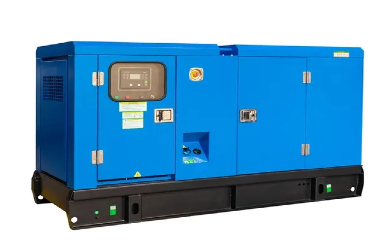
Regular generators often produce higher noise levels than their containerized counterparts. While some regular generators come with basic soundproofing, they are generally louder and may require additional measures such as soundproof enclosures to meet noise regulations.
Unlike containerized generators that come pre-packaged with most necessary components, regular generators might require additional installation work. This could involve the construction of shelters, noise barriers, or mounting systems, which can add to the overall cost and complexity. Regular maintenance is also required to ensure the generator remains in good working condition, which may involve more frequent checks and upkeep due to its lack of protection from external elements.
Container type generators have the advantage when it comes to protecting sensitive components. The steel or aluminum shell prevents weather-related damage such as rust, corrosion, and dirt buildup, while the internal insulation helps regulate temperature, extending the life of the equipment. In contrast, regular generators often need additional covering or shelter, making them less suited for harsh conditions.
The mobility of container type generators is unparalleled. They are designed for quick transportation and easy deployment across various environments. On the other hand, regular generators are generally more suited for stationary applications, although they can be mounted on trailers or moved if necessary.
Feature | Container Type Generator | Regular Generator |
Protection | High, with built-in weatherproof and noise-reducing features | Low, requires additional protection |
Portability | High, can be transported easily using standard containers | Limited portability, mainly used for stationary purposes |
Power Output | Wide range of power outputs (e.g., from 10kVA to 2500kVA) | Varies, typically smaller power ranges |
Flexibility | Highly flexible for various applications | Best suited for fixed, indoor applications |
Container type generators are a popular choice for backup power in critical facilities like hospitals, data centers, and industrial plants. Their reliability, ability to function in adverse conditions, and ease of transport make them ideal for ensuring continuous power in emergency situations.
These generators are particularly beneficial in industries like construction, mining, and remote operations where power is required in locations with no permanent infrastructure. Their rugged design and easy transport make them perfect for temporary, off-grid power requirements.
Yes, container type generators are generally more expensive due to their enhanced features such as weatherproof housing, noise insulation, and portability. However, the additional cost may be justified by their longevity, reduced maintenance needs, and greater flexibility.
Containerized generators may require less frequent maintenance compared to regular generators due to their protective casing. However, the complexity of maintenance depends on the model and its specific components.
Container type generators typically come with built-in noise insulation features. For additional noise reduction, you can opt for models that include soundproofing panels or choose quieter generator models.
Yes, many manufacturers offer customization options for container type generators, including power output, fuel type, and additional features like enhanced noise reduction, remote monitoring, or specialized cooling systems.
In conclusion, container type generators offer significant advantages over regular generators, especially in ter for less demanding applications such as home use, small businesses, or light industrial settings, they lack the comprehensive protection and mobility of containerized models. Ultimately, the best choice depends on your power requirements, location, and budget, with container type generators offering greater long-term value for more challenging environments, and regular generators being a practical solution for simpler needs.