T: +86-139-5050-9685
E: sales@bycpower.com
E: sales@bycpower.com
No. 13, Jincheng road, Tiehu village, Chengyang town, Fuan city, Fujian, China


Views: 0 Author: Site Editor Publish Time: 2026-05-12 Origin: Site


Selecting a mobile power solution demands careful planning and precise calculations. You must balance peak electrical loads against physical logistics, vehicle limitations, and strict environmental rules. Getting this balance right ensures seamless operations across any job site. Oversizing wastes valuable fuel and strains your project budget unnecessarily. Conversely, undersizing risks catastrophic equipment damage and total site blackouts. A poorly matched unit can easily derail an entire project timeline. This guide provides a definitive framework to evaluate, size, and deploy towable power solutions effectively. We will explore how to calculate actual wattage needs accurately. You will match these electrical demands to your specific towing capabilities safely. You will learn to specify equipment based on operational realities. Theoretical limits often fall short during real-world applications. By following these steps, you secure reliable power anywhere you need it.
Calculate with a Buffer: Always size the generator based on total running wattage plus the highest single starting (surge) wattage, adding a 20% safety margin to ensure longevity.
Weight Includes Fuel: Evaluate your vehicle's towing capacity against the generator's gross weight with a full tank of fuel, not just its dry weight.
Compliance is Mandatory: Ensure equipment meets EPA EVAP emission standards and local noise ordinances (sub-72 dB(A) for residential or event sites).
Safety Dictates Setup: Proper deployment requires strict adherence to grounding protocols and the use of an Automatic Transfer Switch (ATS) to prevent dangerous grid backfeeding.
Before evaluating specific engine brands, you must establish strict baseline requirements. You need to define both your electrical output needs and your physical deployment space. Operators often focus entirely on power output while ignoring the physical realities of the site. This oversight causes major logistical delays.
Differentiate clearly between continuous operational loads and initial surge demands. Heavy motors require a massive power spike during startup. HVAC units and industrial compressors represent typical high-surge equipment. Ensure the generator accommodates the highest single startup load safely. It must handle this surge while all other connected equipment remains running.
Look beyond standard wattage numbers when evaluating technical specifications. Understand the critical difference between eKW and kVA. eKW measures the actual electrical power output available to your tools. kVA represents Apparent Power. It accounts for the overall efficiency of your electrical system. Sizing a unit based purely on kVA leads to severe under-sizing. You must account for the power factor, which typically sits around 0.8 for industrial applications.
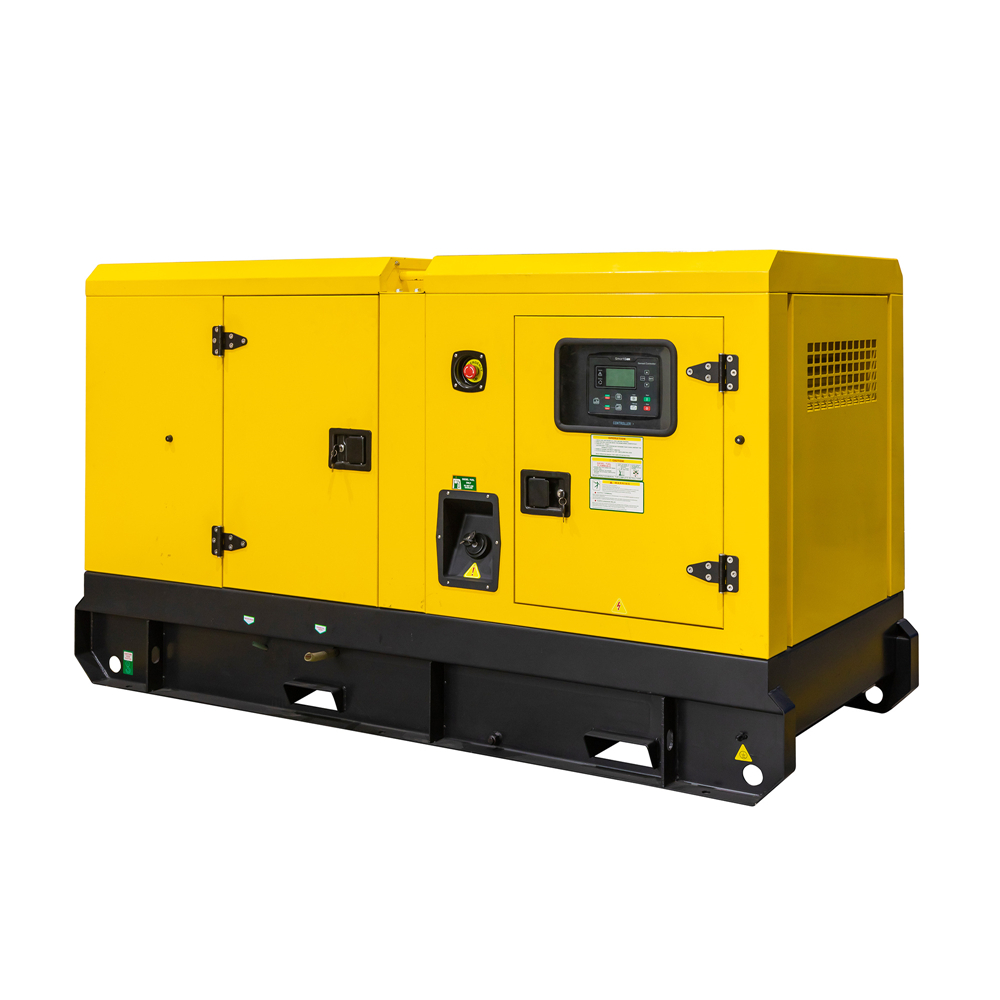
Evaluate your footprint and towing realities early in the planning phase. Smaller 20–60 kW units typically require a single standard parking space. Standard heavy-duty pickups can tow them easily. Larger 100–300 kW units require dedicated delivery vehicles and wide turning radii. They often consume up to two standard parking spaces. Always factor in the weight of a full fuel tank. Diesel weighs roughly 7.1 pounds per gallon. Compare this total gross weight against the specific payload capacity of your towing vehicle.
Capacity Range | Footprint Requirement | Transport Method | Typical Application |
|---|---|---|---|
20–60 kW | One standard parking space | Heavy-duty pickup truck | Small events, residential construction |
100–300 kW | Two standard parking spaces | Dedicated delivery truck | Medium concerts, commercial builds |
500 kW+ | ISO Container size | Crane and flatbed semi-truck | Large festivals, industrial plants |
Evaluate your deployment cycle carefully before selecting a physical form factor. You must decide if a wheeled trailer remains strictly necessary for your operations. Alternative configurations sometimes suit specific site conditions better. Each form factor offers distinct operational advantages.
The trailer type generator dominates agile deployment scenarios. Manufacturers build them on DOT-approved chassis systems. They feature heavy-duty adjustable suspensions for highway travel. They remain ideal for rapid deployment and emergency response. You can move them across multiple highway sites quickly. They excel in environments where crane access remains entirely unavailable.
Consider the skid-mounted alternative for long-term stationary projects. These units feature a significantly smaller physical footprint. They lack axles, wheels, and towing hitches. However, they require heavy machinery for site placement. You will need forklifts or cranes to relocate them. This limits their usefulness as a highly agile towable generator. They work best for multi-month mining or oil operations.
Explore parallel operation strategies for smaller or fluctuating power needs. You do not always need a single massive unit. You can link two smaller inverter generators in parallel safely. This creates excellent operational modularity. You transport them easily without requiring heavy vehicle hitches. You can run only one unit during off-peak hours. This strategy conserves fuel and reduces unnecessary engine wear.
Fuel availability dictates the long-term viability of your chosen power solution. Environmental regulations also heavily influence your equipment options. You must align your fuel choice with local supply chains and legal frameworks. Ignoring these factors leads to sudden site shutdowns.
The portable diesel generator remains the undisputed industry standard for commercial use. Diesel provides exceptional torque for heavy-duty applications. It offers superior fuel economy under continuous heavy loads. Diesel storage remains safer on-site compared to highly volatile gasoline. It rarely ignites under normal atmospheric conditions.
Propane and dual-fuel systems offer highly practical alternatives for intermittent use. Propane does not degrade chemically over time. You eliminate the tedious need for fuel stabilizers during off-season storage. Propane burns significantly cleaner than traditional liquid fuels. This clean combustion reduces internal carbon buildup and extends maintenance intervals.
Ensure your equipment complies strictly with EPA regulations. You must meet EPA EVAP canister regulations consistently. This remains especially critical for gasoline-powered models. Non-compliant models trigger intense regulatory scrutiny. Unauthorized aftermarket hoses can result in severe financial fines. Inspectors will shut down your job site immediately.
Evaluate the integrated fuel tank capacity to determine unmonitored runtime. Target a system delivering at least 24 hours of runtime at a 75% load. You minimize complex refueling logistics during extended power outages. Larger tanks keep your operations running continuously through the night.
A high-capacity unit becomes a severe liability if it lacks standard commercial safety features. You must protect your operators and your sensitive equipment simultaneously. Insist on comprehensive safety integrations during the specification process. Do not compromise on critical electrical safeguards.
Voltage Selector Switches: These remain critical for remote construction sites. They allow operators to toggle safely between different voltage outputs. You can switch from 120/240V single-phase to 480V three-phase easily. This lets you power diverse equipment from a single machine.
Automatic Transfer Switches (ATS): These components remain essential for facility backup scenarios. An ATS safely transitions power from the utility grid to your machine. It physically prevents electricity from backfeeding into public lines. Backfeeding can fatally injure utility line workers repairing the grid.
Weather and Corrosion Resistance: Always look for rugged, powder-coated enclosures. Your equipment will face harsh environmental conditions daily. If you operate in coastal environments, mandate marine-grade protective coatings. Install severe-duty air filters to combat high-dust zones effectively.
Smart Telematics: Prioritize modern models featuring remote monitoring capabilities. You can track exact fuel levels off-site. You can monitor precise load percentages from your smartphone. Telematics systems instantly alert you to critical maintenance codes.
Implementation realities frequently derail poorly planned equipment deployments. You must address noise pollution and electrical grounding long before the equipment arrives. Proper site preparation prevents accidents and community complaints.
Acoustic management requires careful attention. Heavy industrial units can easily exceed 100 dB(A) during peak operation. This noise level causes permanent hearing damage and triggers residential complaints. For public events or film sets, specify sound-attenuated enclosures strictly. Keep operational noise at or below 72 dB(A). This volume compares favorably to a standard household vacuum cleaner.
Plan your cable routing to maintain ADA compliance across the site. Ensure heavy-duty power cables run securely through high-visibility cable ramps. You must prevent dangerous tripping hazards for workers and pedestrians. ADA-compliant ramps maintain complete site accessibility for wheelchairs.
Safely operating a mobile generator requires uncompromising adherence to grounding protocols. Zero-resistance grounding prevents lethal electrical shocks. Follow these exact execution details for proper grounding:
Drive heavy-duty grounding rods deeply into the solid earth.
Drive the rod at an angle no greater than 45 degrees if you encounter impenetrable rock.
Strip precisely 6 to 12 inches of insulation from the copper grounding wire.
Wrap the bare copper securely around the driven grounding rod.
Connect the opposite end firmly to the generator’s dedicated grounding lug.
Verify zero electrical resistance using a calibrated digital multimeter before starting the engine.
Determine the precise operational model that aligns with your specific utilization rate. You must analyze your annual project pipeline carefully. Your deployment frequency dictates your best path forward.
Understand exactly when to purchase equipment outright. High utilization rates justify the initial capital expenditure. If you deploy units for over 60% of the year, buying makes sense. Mission-critical standby requirements also demand ownership. You cannot wait for a delayed delivery during a hospital power failure. Highly specialized voltage needs often require custom-purchased units.
Understand when relying on a rental generator proves more strategic. Seasonal construction projects benefit immensely from short-term rentals. Weekend commercial events rarely justify purchasing heavy machinery. Renting transfers complex maintenance liabilities directly to the supplier. You avoid performing mandatory load bank testing entirely. The rental company manages all messy fluid changes and filter replacements. You guarantee access to modern, well-maintained equipment without the ongoing upkeep hassle.
Choosing the right mobile power solution goes far beyond reading simple wattage outputs. You must systematically evaluate your physical towing constraints against the machine's gross weight. Identifying precise starting surge loads ensures your equipment survives heavy motor demands. Securing strict EPA and noise compliance keeps your job site open and fine-free. Mandating rigorous safety features protects both your crew and the public utility grid. Following this comprehensive framework prevents costly logistical setbacks. You secure a reliable, uninterrupted power source tailored directly to your operational realities.
A: Under-sizing causes severe voltage drops. These drops force the equipment to shut down automatically to protect itself. Repeatedly maxing out the power capacity heavily strains the engine. This can permanently damage sensitive electronics on the connected circuit. It also drastically shortens the overall lifespan of the engine.
A: An ATS automatically disconnects the property from the main utility grid before supplying backup power. This physically prevents electricity from flowing backward into public power lines. Backfeeding is a lethal hazard to utility workers repairing grid outages. It also constitutes a major violation of standard electrical safety codes.
A: A diesel model is superior for heavy commercial use and continuous operation. It provides massive torque, exceptional fuel efficiency, and impressive engine longevity. Gasoline or dual-fuel models work better for lighter-duty tasks. They suit highly mobile applications and intermittent emergency standby situations perfectly.
A: First, list the continuous running wattage of all devices you will operate simultaneously. Next, identify the single device requiring the highest starting surge wattage. Add the total running watts to that single highest surge wattage. Finally, multiply this combined number by 1.2 to build in a safe 20% operating margin.