
T: +86-139-5050-9685
E: sales@bycpower.com
E: sales@bycpower.com
No. 13, Jincheng road, Tiehu village, Chengyang town, Fuan city, Fujian, China


Views: 0 Author: Site Editor Publish Time: 2026-06-08 Origin: Site


Medical facilities operate under an absolute zero-tolerance policy for prolonged power loss. Unplanned outages immediately threaten critical life support systems. They disrupt continuous medical fluid distribution and compromise strict environmental controls. You cannot simply guess your facility requirements. Procuring an emergency power system is often misconstrued as a basic capacity calculation. In reality, modern electrical infrastructure demands much more. You must align generator response behavior perfectly alongside complex facility architecture. Blackouts require seamless, instant power transitions. This guide breaks down the critical engineering specifications. We examine regulatory frameworks, engine performance metrics, and operational realities. Facility managers must evaluate these exact factors thoroughly before selecting a reliable hospital power solution. You will learn how to navigate essential electrical system branches effectively. We also explore transient load acceptance nuances and stringent emission standards. Ultimately, understanding these variables ensures your facility remains strictly compliant and fully operational during worst-case outage scenarios.
Compliance with standards like NFPA 110 dictates highly specific response times (e.g., 10 seconds for life-safety branches).
Sizing must account for complex transient loads, including staged startups for imaging equipment and continuous medical fluid distribution.
Total Cost of Ownership (TCO) evaluation must include preventative maintenance costs, fuel polishing systems, and potential ROI through peak-shaving grid integrations.
Modern emission controls (Tier 4) and acoustic attenuation are critical evaluation factors for site-specific approvals.
Emergency loads are not created equal. Facility managers must evaluate how equipment interfaces across the three physically separated Essential Electrical System (EES) branches. These divisions deliberately prevent cascading failures during widespread emergencies. Physical wiring separation guarantees electrical faults in one sector cannot disable critical life-saving equipment elsewhere. Engineers must ensure conduit pathways never cross between these branches.
Life Safety Branch: This covers egress lighting, fire alarms, and essential communication networks. It requires reliable power restoration strictly within 10 seconds.
Critical Branch: This feeds intensive care units, operating rooms, and blood banks. It also mandates a strict 10-second restoration window to prevent catastrophic patient outcomes.
Equipment Branch: This powers heavy HVAC systems, facility elevators, and non-critical imaging. It allows delayed automatic or manual power restoration sequences.
You must specify equipment based on rigid NFPA 110 classifications. These precise rules dictate your required operational duration without refueling. For example, a Class 96 rating means the system provides 96 hours of continuous operation. You also evaluate the maximum allowable response time. Type 10 demands full power delivery within 10 seconds. Finally, you assess the severity of failure consequences. Level 1 indicates severe, immediate risks to human life.
When designing your emergency infrastructure, prioritize N+1 redundancy planning. Evaluate distributed, multi-generator setups over single massive units. A well-designed hospital standby diesel generator array provides necessary failover capability. If one unit undergoes routine maintenance, others seamlessly assume the critical load. This distributed approach guarantees uninterrupted patient care even during unexpected mechanical faults.
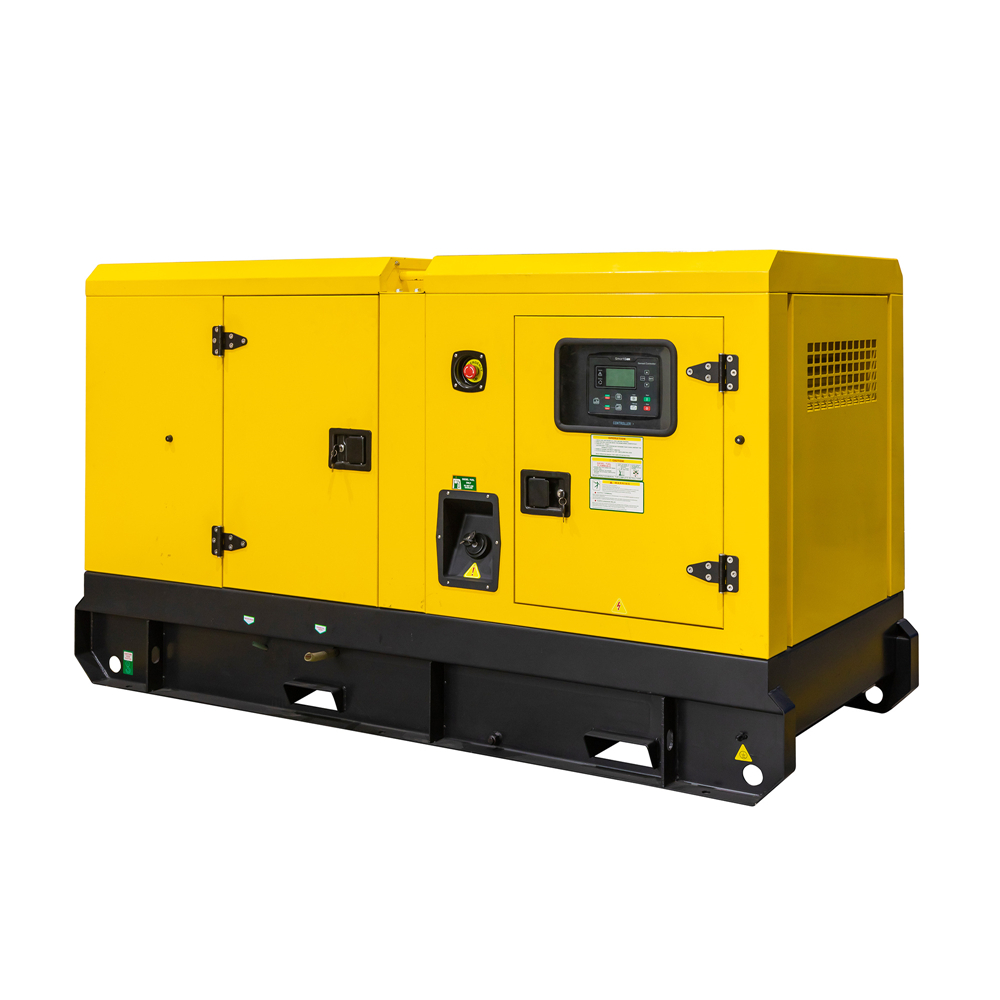
Many facility engineers fall for the first-step load myth. They incorrectly assume a healthcare backup generator must instantly absorb a massive 60% load spike. Modern medical facilities operate quite differently. They utilize robust Uninterruptible Power Supply (UPS) networks and chilled water buffer vessels. These intermediate systems smooth out the initial 10-second demand spike. This mechanical buffer allows the generator to scale up power output smoothly without stalling.
Clinical space power quality varies drastically across different hospital departments. Operating rooms demand absolute zero-fluctuation power handoffs. Surgeons cannot tolerate micro-outages or voltage dips during complex procedures. Imaging and laboratory departments face entirely different electrical challenges. Advanced MRI machines and X-ray scanners generate high-inrush currents from internal cryogenic compressors. They require generators explicitly capable of managing staged startups. Staged startups carefully distribute electrical surges. They prevent catastrophic voltage dips across the entire hospital network. Most medical imaging manufacturers specify maximum allowable voltage dips. If a generator stutters, an MRI compressor might lock out, requiring a manual reset.
Clinical Space | Power Quality Requirement | Equipment Challenge |
|---|---|---|
Operating Rooms | Zero-fluctuation handoff | Surgical lighting, robotics, and life support |
Imaging & Labs | High-inrush capacity handling | MRI cryogenic compressors and X-Ray tubes |
Intensive Care | Strict 10-second restoration | Ventilators and continuous patient monitoring |
Isolation Wards | Continuous stable frequency | Negative pressure HVAC fans |
You must also calculate hidden critical loads accurately. Sizing calculations explicitly need to account for medical gas compressors. Oxygen generators are electrically driven but clinically vital. Air vacuum systems similarly draw heavy continuous power. Overlooking these background systems causes dangerous overloads during facility-wide failovers. A precise load-flow study prevents these severe sizing errors.
The Automatic Transfer Switch acts as the intelligent brain behind the emergency system. You must carefully evaluate ATS generator system capabilities during procurement. Look for advanced ATS controllers featuring "dead bus synchronizing" capabilities. This technology allows multiple generators to parallel quickly. They synchronize their frequencies seamlessly. They can share massive facility loads safely in under 10 seconds. Poorly specified switches cause delays bridging power gaps.
Hospitals remain highly noise-sensitive zones by necessity. Patient recovery heavily depends on maintaining a quiet healing environment. Your silent diesel generator specification should mandate custom acoustic enclosures. Target a strict sub-75 dBA rating at 7 meters distance. Ideally, push vendors for 65 dBA enclosures near patient wards. Ensure thick acoustic baffling does not compromise essential cooling airflow. Restricted airflow leads to dangerous engine overheating during extended emergency runs.
Emissions and engine technology also shape critical hardware evaluations. Facilities must evaluate Tier 4 Final compliance closely. This standard heavily reduces airborne particulate matter and nitrogen oxides. However, you must note the operational realities of SCR (Selective Catalytic Reduction) systems. Selective Catalytic Reduction requires extremely high exhaust temperatures. The exhaust stream must reach 350–450°C to neutralize NOx effectively. Light electrical loads prevent the system from hitting this critical temperature. You must plan operational tests accordingly.
Facility managers frequently encounter the dangerous "wet stacking" hazard. Diesel engines running continuously at low loads face severe mechanical issues. Loads under 30% prevent massive engines from reaching optimal operating temperatures. This temperature failure leads to unburned fuel accumulation. Oil sludge builds up rapidly inside the exhaust system. This thick sludge severely degrades engine performance over time. Evaluate systems featuring integrated load banks. Alternatively, use grid-paralleling capabilities for proper high-load testing. Regular testing at heavy capacities burns off harmful carbon deposits.
Fuel degradation management presents another persistent operational challenge. Standard diesel fuels and biodiesel blends absorb ambient water easily. B10 biodiesel blends breed rampant microbial growth within 6 to 12 months. Contaminated fuel quickly destroys precision engine components. It clogs filters precisely when emergencies strike. Specify automated fuel polishing systems. Centrifugal water and bacterial removal units actively protect sensitive fuel injectors. In cold climates, specify robust block heaters and fuel line insulators. This automation ensures your emergency power generator starts reliably during unprecedented crises.
Clearance Optimization: Allow at least 1-meter clearance around units for technicians navigating in dark conditions.
Rapid Accessibility: Install accessible low-level fueling ports for rapid refueling during extended regional blackouts.
Testing Redundancy: Include dual temporary connection points specifically for external load bank testing.
Design your physical installation footprints purely for proactive maintenance. A cramped enclosure severely limits emergency repair efforts.
Evaluating capital expenses requires looking far beyond the initial purchase price. You must weigh long-term operational strategies carefully. Reliable remote monitoring infrastructure provides crucial real-time diagnostics. Secure strong preventive maintenance agreements covering 20 to 30 years of asset lifespan. Predictable maintenance execution ensures readiness.
Financial integration often focuses on peak shaving opportunities. Explore whether vendor control systems support this advanced feature. Hospitals can use standby generators deliberately during high-tariff grid periods. This strategic deployment offsets immense commercial electricity costs. It successfully balances facility energy demands during local grid strain. This avoids expensive peak-demand penalties.
Define exact success criteria for your RFPs. Shortlist reliable vendors who provide detailed transient performance data. Require strict ISO 8528 G3/G4 compliance documentation. Demand transparent fuel-burn rates for various load capacities. You need concrete performance data. Finally, seek proven healthcare case studies. Vendors must demonstrate successful integration alongside existing Building Management Systems (BMS). Seamless BMS integration ensures automated, panic-free failovers during critical blackouts.
Selecting a hospital standby power system extends far beyond raw capacity calculations. It demands a holistic understanding of how mechanical behavior impacts critical patient care.
Balance Compliance and Capacity: Selecting a hospital standby diesel generator requires balancing strict compliance timelines (10-second rules) with the intricate load profiles of modern medical technology.
Map Transient Demands: Always account for hidden continuous loads and staged imaging startups before finalizing your alternator sizing.
Conduct Thorough Site Assessments: Before issuing an RFP, facility managers should conduct a thorough EES load-flow study. You must evaluate physical site constraints carefully for safe fuel storage and adequate acoustic treatment.
Demand Proven Integration: Ensure your vendor proves seamless communication between their transfer switches and your existing Building Management System.
Take Immediate Action: Consult with specialized MEP engineers early in the design phase. Alternatively, request a site-specific load assessment from a highly qualified healthcare power solutions provider.
A: Standard regulations (like NFPA 110) typically require sufficient on-site fuel storage to maintain Level 1 continuous operations for a minimum of 96 hours during major emergencies. This strict fuel requirement ensures that critical care facilities can operate independently through severe natural disasters, hurricanes, or extended regional grid failures before fuel delivery trucks can safely reach the site.
A: An Uninterruptible Power Supply (UPS) uses battery banks to provide instantaneous, short-term power, bridging the immediate gap during an outage. The standby generator engages automatically within 10 seconds to provide sustained, high-capacity mechanical power for the duration of the blackout. The UPS prevents delicate surgical equipment from resetting while the generator spins up to full operational speed.
A: Yes, provided the generator alternator is sized appropriately for the high inrush currents generated by the MRI's cryogenic compressors. The facility must also utilize staged startup controls. This careful sequencing prevents system-wide voltage drops. Without staging, the massive initial power draw could trigger breaker trips or disrupt sensitive electronics operating elsewhere on the same critical branch.
A: This is often a symptom of "wet stacking," caused by running the generator without sufficient load. Diesel engines require high temperatures to burn fuel completely. Healthcare facilities must perform regular tests with artificial load banks to achieve these temperatures. Heavy load testing burns off accumulated carbon and unburned fuel, clearing the white smoke and preventing permanent engine damage.


