T: +86-139-5050-9685
E: sales@bycpower.com
E: sales@bycpower.com
No. 13, Jincheng road, Tiehu village, Chengyang town, Fuan city, Fujian, China


Views: 0 Author: Site Editor Publish Time: 2026-05-23 Origin: Site


Grid instability in rural areas is not just a minor inconvenience. A sudden power loss directly threatens your entire harvest and livestock. An unexpected grid outage can quickly lead to drought-induced crop failure. It can cause fatal ventilation stops in heavily populated poultry farms. To protect your agricultural operations, you need a highly reliable and immediate power strategy.
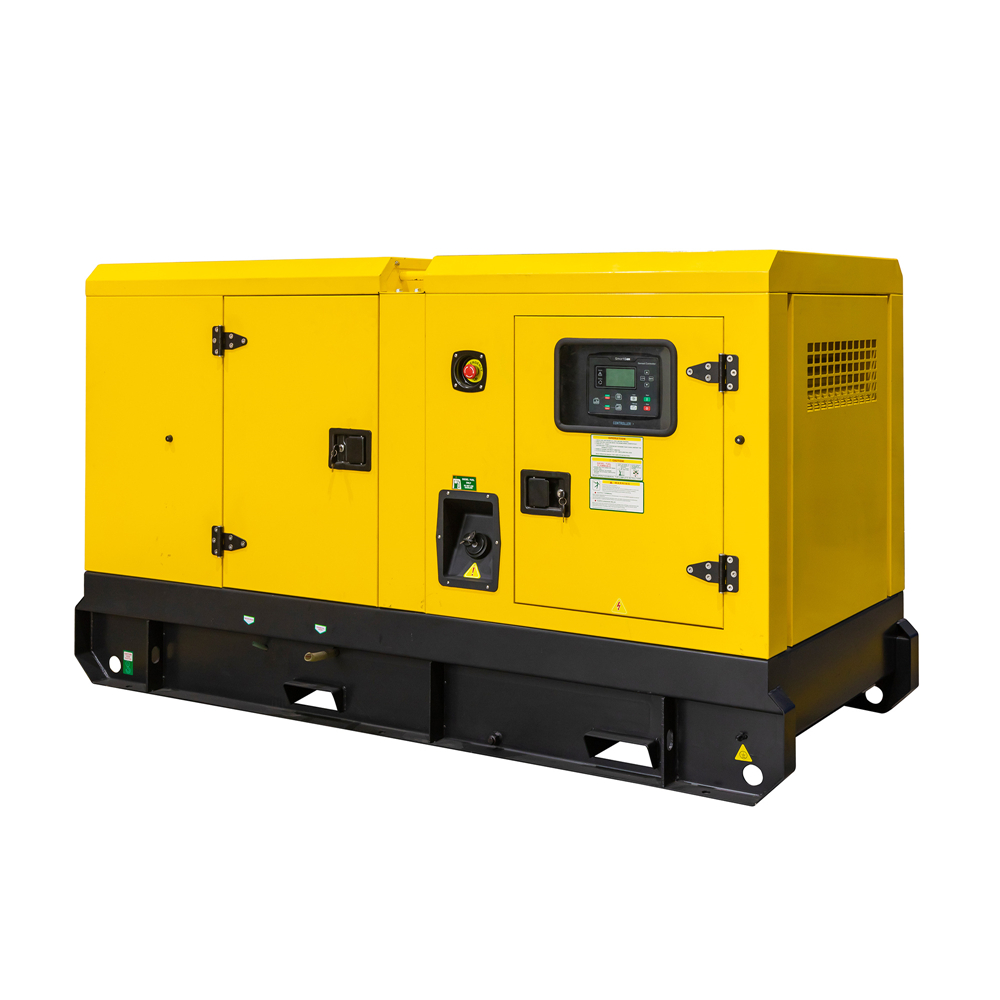
We must view a diesel generator for agriculture as a critical risk-hedging asset. It acts as a strict prerequisite for modern precision farming. Automated sensors, climate controls, and remote irrigation lines require uninterrupted power. When the main grid fails, your backup system becomes the sole lifeline for your production.
This guide explores how to thoroughly evaluate technical specifications and calculate true load requirements. You will learn how to accurately size your inductive loads and avoid common technical traps. We will examine cooling systems, torque curves, and transfer switches. By the end, you will know exactly how to match the right heavy-duty engine and control system to your unique operational risks.
Irrigation relies on consistent torque, making industrial diesel engines superior to high-RPM automotive-derived alternatives.
Inductive farm loads (water pumps, milking machines, compressors) require sizing for starting surge watts that are 2 to 3 times the running watts.
Total Cost of Ownership (TCO) is dictated heavily by Specific Fuel Consumption (SFC) and maintenance accessibility, not just upfront unit cost.
Choosing between manual transfer switches and ATS depends on the critical response time of the operation (e.g., dairy vs. field irrigation).
Agricultural operations face punishing physical conditions. During harvest season or severe droughts, your equipment must run continuously. A dedicated farm diesel generator easily handles these 24/7 duty cycles. Gasoline engines, however, degrade rapidly when held at 80% to 90% continuous load. They simply cannot dissipate internal heat fast enough.
Let us look closely at lifespan and structural durability. Heavy-duty diesel engines routinely achieve 12,000 to 15,000 hours of operation. They handle severe internal cylinder pressures effortlessly. Commercial gasoline engines typically burn out and require complete replacement at just 5,000 to 7,000 hours. You essentially get twice the functional operating life from a diesel block.
Fuel physics also strongly favor diesel for heavy agricultural work. Diesel fuel holds a much higher energy density than standard gasoline. This means you extract significantly more mechanical work per liter burned. For large-scale farming operations, you consume fewer liters of fuel to generate the exact same kilowatt output. This superior thermal efficiency keeps your machinery running longer between refuels.
Farm equipment relies heavily on powerful electric motors. These motors create what engineers call inductive loads. Devices like a 1 HP air compressor or a deep-well water pump require a massive surge of power. They need this surge just to spin the motor from a dead stop. This starting wattage can easily spike to three times the normal running wattage.
If you ignore this starting surge, your agriculture backup generator will immediately stall. We use a standardized baseline sizing formula to prevent system overloads:
(Total Concurrent Running Watts + Highest Single Starting Surge) × 1.4 Safety Margin = Required Capacity.
Imagine you have a 2000W running irrigation pump. It needs 6000W to start. You also run a 1000W lighting system concurrently. Your total concurrent running load is 3000W. Your highest surge is 6000W. You calculate (3000 + 6000) × 1.4 to get 12,600W. You need a 13kW system. The 1.4 multiplier adds a critical 40% safety buffer. This buffer prevents severe voltage dips.
Sizing depends entirely on your operational scale. We break agricultural power requirements into three distinct tiers.
Capacity Range | Ideal Farm Application | Typical Equipment Supported |
|---|---|---|
< 15 kVA | Small greenhouses, localized fencing, basic sheds. | Poultry ventilation fans, electric fences, basic lighting. |
20 – 80 kVA | Medium-scale operations and livestock barns. | Dairy cooling tanks, medium center pivots, automated feeders. |
100 – 300+ kVA | Large mixed-farming complexes and processing hubs. | Multi-pump irrigation hubs, grain dryers, heavy processing machinery. |
Some budget equipment brands use modified car engines to build their generators. You must avoid this engineering trap. The mathematics of moving water dictate strict mechanical requirements. Centrifugal and submersible pumps require constant, unyielding rotational torque. High-horsepower, high-RPM automotive engines stall and overheat quickly when pump head pressure fluctuates.
An effective irrigation power generator needs a true industrial engine. These engines feature a flat mid-range torque curve. They push through water resistance without dropping their RPMs. Water has mass. Pushing water up a 50-meter incline requires tremendous physical force. Industrial engines rely on heavy rotational mass to maintain steady momentum.
Cooling systems also present a massive architectural difference. Automotive engines rely heavily on forward vehicle motion. This motion forces cool air through the front grille. A stationary generator sitting in a 40°C open field gets zero wind assistance. It requires a massive internal high-capacity radiator. It also needs a heavy cast-iron block to absorb severe thermal stress safely.
You must also carefully check the Specific Fuel Consumption (SFC). A high-efficiency industrial diesel engine should show an SFC sitting between 230 and 260 g/kWh. This tight fuel efficiency ensures your engine converts maximum chemical energy into mechanical pumping force. It prevents wasting valuable diesel fuel as useless exhaust heat.
You must decide between a stationary unit and a highly portable setup. A stationary unit deployed on a poured concrete pad works beautifully for central processing facilities. It provides permanent power to dairy barns and grain silos. However, widespread operations require flexibility. If you manage remote irrigation pivots, you need a mobile farm generator. Skid-mounted or trailer-based units let you tow the power directly to isolated fields.
Agricultural environments are notoriously abrasive. Your equipment must survive heavy dust, deep mud, and driving rain. You need a properly IP-rated enclosure. Look for heavy-gauge steel or thick aluminum canopies. The paint process matters greatly. Powder-coated steel strongly resists corrosion from harsh fertilizer chemicals.
Air filtration requires special attention in farming environments. Standard filters clog rapidly. You need robust cyclonic air filtration. These advanced filters rapidly spin incoming air. They physically eject heavy dust particles before the air ever reaches the primary paper element. This defense prevents abrasive soil dust from entering and destroying the engine cylinders.
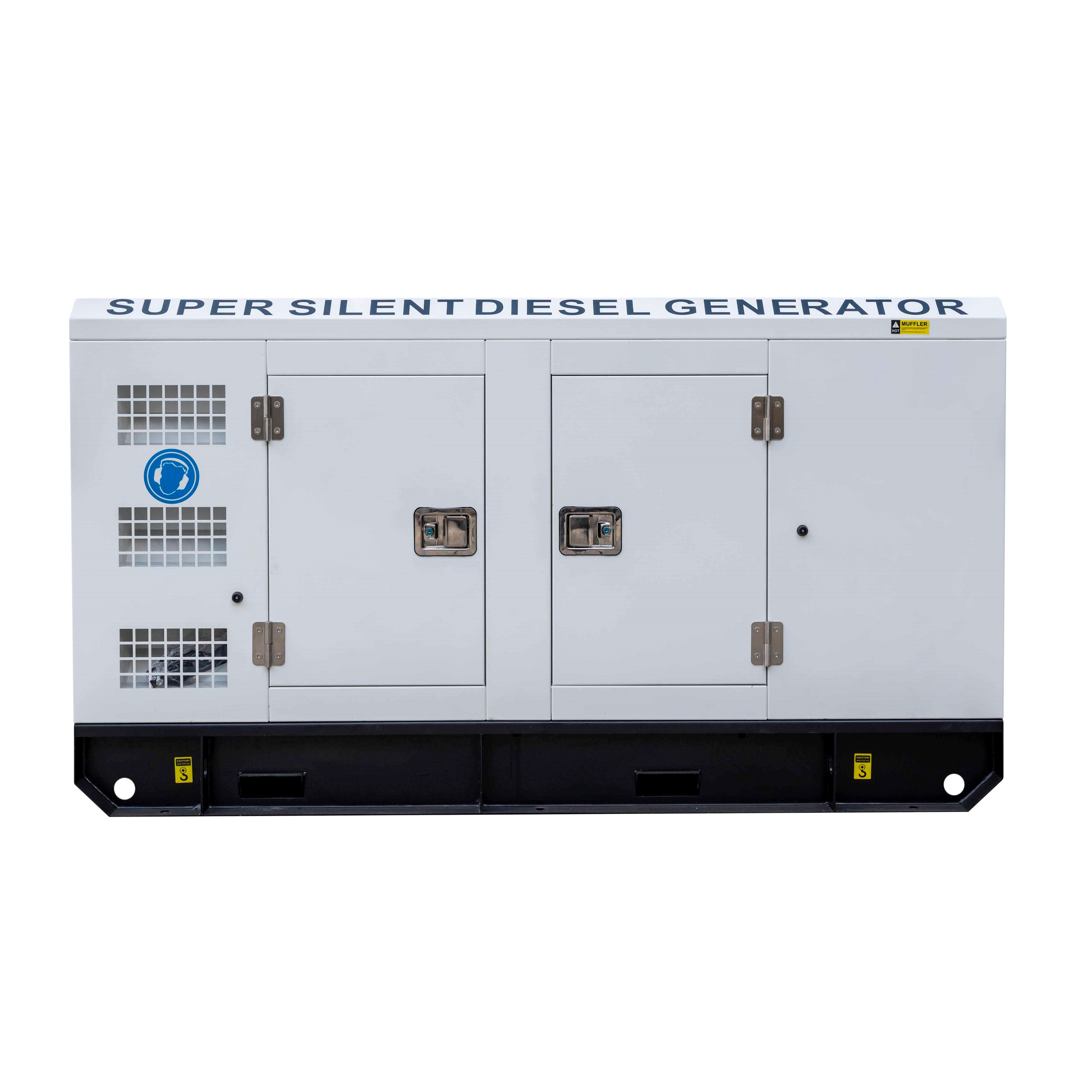
Noise compliance presents another major operational factor. Generators placed near residential zones require strict acoustic insulation. Easily spooked livestock also suffer stress from loud exhaust noise. A 10kva silent generator provides excellent localized power while suppressing dangerous decibel levels. Sound-attenuated canopies utilize dense acoustic foam. They easily meet local noise ordinances without restricting the heavy airflow necessary for internal engine cooling.
You cannot plug a heavy generator directly into your farm's main wiring panel. You must ensure total electrical isolation. Transfer switches physically block power from flowing backward into the utility grid. This dangerous backfeeding endangers utility line workers. It also completely destroys your sensitive alternator windings.
You generally choose between two primary transfer switch categories:
Manual Transfer Switches: These switches are highly reliable and exceptionally straightforward. They work perfectly for tractor PTO-driven setups. They also suit non-emergency field irrigation. You physically throw a heavy breaker switch when you arrive at the remote pump site.
Automatic Transfer Switches (ATS): An ATS remains absolutely mandatory for high-risk operations. If you run a modern poultry house, a 15-minute outage can cause fatal heat stress for thousands of birds. Dairy farm automated milking schedules also demand strict electrical uptime. An ATS instantly detects a grid failure. It restores full facility power within 10 to 15 seconds automatically.
As your agricultural operation grows over time, your power needs will multiply. You should plan for future grid expansion. Parallel capable control panels allow multiple smaller generators to synchronize perfectly. They match voltage frequencies automatically. These synchronized units work together to handle increased seasonal load demands. Paralleling gives you a highly scalable and resilient farm power grid.
An industrial engine is completely useless if replacement parts take three weeks to arrive. You must evaluate the local support network carefully before making any procurement decision. Prioritize equipment brands that actively maintain extensive local dealer networks near your fields.
Critical engine consumables must remain highly accessible. Items like primary oil filters, air elements, and fan belts must be available on the same day. During peak harvest windows, you cannot afford logistical delays. Readily available local parts guarantee rapid mechanical recovery.
Service intervals strongly dictate your seasonal uptime. Check the manufacturer's specified oil and filter change intervals carefully. Some lighter engines require full service every 250 hours. Premium industrial variants often extend this interval up to 500 hours. Longer intervals directly reduce your operational downtime. You spend significantly less time wrenching on equipment and more time irrigating your crops.
Routine fluid sampling also prevents catastrophic failures. Analyze your engine oil and coolant before every major planting season. This proactive maintenance spots microscopic metal wear early. By prioritizing rigorous routine maintenance and securing accessible parts, you guarantee reliable ignition. The engine fires up exactly when your crops and livestock depend on it most.
Choosing the right agricultural power system requires precise mechanical calculation and environmental foresight. You must build a highly resilient strategy to protect your yield.
Always map your inductive surge loads carefully to prevent sudden motor stall.
Prioritize heavy-duty industrial diesel engines over high-RPM automotive conversions for consistent torque.
Select an Automatic Transfer Switch if your livestock or dairy operations cannot survive a 15-minute electrical outage.
Ensure your chosen equipment brand offers rapid access to replacement parts during critical harvest windows.
Before you finalize any equipment decisions, bring in a certified electrical technician. Conduct a full electrical load audit of your entire farm property. Document every inductive motor, heating element, and ventilation fan. Accurate baseline data ensures you secure the exact generating capacity required to keep your modern farm running seamlessly.
A: Properly sized, liquid-cooled industrial diesel generators can run 24/7 for days or weeks during an extended outage. You only need to pause them briefly for scheduled oil and filter changes. This routine service usually occurs every 250 to 500 hours. As long as you maintain the fuel tank and monitor internal fluid levels, the engine will safely sustain continuous heavy agricultural loads.
A: "Prime" indicates the continuous load capacity for off-grid operations. You use prime ratings for running remote irrigation pumps indefinitely. "Standby" represents the absolute maximum output the machine can safely produce for strictly limited durations during sudden utility failures. You must never use a standby-rated unit for prime applications. It will overheat and suffer rapid mechanical failure.
A: Yes, they easily power VFD pumps. However, VFDs introduce significant harmonic distortion into your electrical system. We highly recommend sizing the generator at least 1.5 to 2 times the VFD's rated capacity. This extra headroom absorbs harmful harmonics safely. Furthermore, ensure your generator features a high-quality Automatic Voltage Regulator (AVR) to maintain strict voltage stability across the network.