T: +86-139-5050-9685
E: sales@bycpower.com
E: sales@bycpower.com
No. 13, Jincheng road, Tiehu village, Chengyang town, Fuan city, Fujian, China


Views: 0 Author: Site Editor Publish Time: 2026-03-03 Origin: Site


When it comes to selecting a mobile generator, one of the most important factors to consider is the fuel type and its associated operating costs. The fuel you choose can impact the efficiency, runtime, and maintenance requirements of the generator, as well as the overall cost of operation. In this article, we will explore the various fuel types used in mobile generators, their benefits, the operating costs, and how to choose the right fuel for your needs.
A mobile generator is a portable power source designed to provide electricity in locations where the main power supply is unavailable. These generators are typically mounted on wheels for easy transportation, making them ideal for use at construction sites, outdoor events, or during power outages. They convert mechanical energy from an engine into electrical energy, which can then be used to power appliances, tools, or entire systems in your home or business.
Mobile generators can be powered by different types of fuel, including gasoline, diesel, and natural gas. The type of fuel you choose can significantly affect the generator’s performance, fuel efficiency, and operating costs.
Fuel type plays a crucial role in determining a mobile generator’s performance, efficiency, and cost. Each fuel type has its own unique characteristics that influence its suitability for specific applications. The fuel used in a generator affects how long it can run on a single tank, how easy it is to find and store, and how much it costs to operate on a day-to-day basis. It is essential to consider these factors when selecting the right mobile generator for your needs.
Gasoline-powered generators are the most commonly used mobile generators due to their ease of use, availability, and affordability. Gasoline is widely accessible, making it easy to find fuel for your generator, even in remote locations. Gasoline engines are also generally smaller, lighter, and less expensive than their diesel or natural gas counterparts, which makes them ideal for portable applications like camping, small construction projects, or backup power for essential home appliances.
Additionally, gasoline-powered generators are known for their quiet operation, making them a great choice for use in residential areas or noise-sensitive environments. They are also easy to start and require minimal maintenance, which makes them user-friendly for those who may not have much experience with generators.
The operating costs of gasoline generators are typically higher than those of diesel or natural gas generators, primarily due to the fuel efficiency of gasoline. Gasoline tends to be more expensive per gallon compared to diesel and natural gas, and it burns faster, which means that gasoline-powered generators generally need to be refueled more often.
The fuel consumption of gasoline-powered generators varies depending on the generator’s size and the load it is supporting. On average, a gasoline-powered generator will consume around 0.5 to 1 gallon of fuel per hour of operation, depending on its wattage and the appliances or equipment it is powering.
Diesel-powered generators are known for their efficiency, longer run times, and durability. Diesel fuel is more energy-dense than gasoline, meaning that it produces more power per gallon, allowing diesel generators to run for longer periods without needing to refuel. Diesel generators are also ideal for heavy-duty applications such as construction, industrial sites, or situations where consistent and reliable power is required for extended periods.
Another key advantage of diesel generators is their longevity. Diesel engines typically last longer than gasoline engines, making them a more cost-effective option over the long term for people who need a generator for frequent or continuous use. Diesel-powered generators are also generally more fuel-efficient, meaning that they can provide more power with less fuel consumption compared to gasoline models.
While the initial purchase cost of a diesel generator can be higher than that of a gasoline-powered model, diesel generators are more economical to operate in the long run due to their better fuel efficiency. Diesel fuel is typically cheaper than gasoline and offers better fuel economy, which translates to lower fuel costs over time.
On average, diesel-powered generators consume around 0.3 to 0.5 gallons of fuel per hour, depending on the load and generator size. Diesel generators also have a longer lifespan, meaning they require less frequent maintenance compared to gasoline-powered generators.
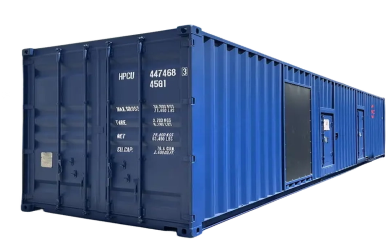
Natural gas-powered generators are an increasingly popular choice for mobile power needs, especially for those looking for an environmentally friendly and cost-effective solution. Natural gas is cleaner-burning than gasoline or diesel, producing fewer emissions and pollutants. This makes natural gas generators a great choice for areas where environmental regulations are strict or for businesses that want to minimize their carbon footprint.
In addition to being more environmentally friendly, natural gas is often cheaper than gasoline or diesel in certain areas, making it an economical choice for long-term use. Natural gas-powered generators are also known for their quiet operation and low maintenance requirements, as the engines are less prone to wear and tear compared to their gasoline and diesel counterparts.
Natural gas is typically cheaper than gasoline or diesel, which makes it a cost-effective option for generators that are used regularly or for long durations. However, the main drawback of natural gas-powered generators is that they require a constant supply of natural gas, which may not be readily available in all areas. For those who have access to a natural gas line, this fuel option can be highly efficient and affordable.
The fuel consumption of natural gas-powered generators is typically similar to that of diesel models, with 0.3 to 0.6 gallons of natural gas consumed per hour depending on the generator’s size and load. Additionally, natural gas generators tend to have lower operating costs due to the cheaper price of the fuel.
When comparing the three fuel types, diesel offers the best fuel efficiency and longest runtime per gallon of fuel, followed by natural gas and gasoline. Diesel generators are typically the most fuel-efficient, allowing them to run for extended periods with less fuel. Gasoline generators, on the other hand, are less efficient and require more frequent refueling.
Gasoline is the most widely available fuel and is generally the cheapest to purchase, but it burns faster, leading to higher operating costs. Diesel is more fuel-efficient and typically cheaper than gasoline, but it may not be as widely available in certain areas. Natural gas is environmentally friendly and often the cheapest fuel, but it requires a constant supply, and availability can be an issue if there is no natural gas infrastructure in place.
Fuel consumption rates directly affect operating costs. Gasoline-powered generators generally consume more fuel and have higher operational costs than diesel or natural gas generators. Diesel and natural gas generators are more fuel-efficient, making them ideal for long-term or heavy-duty applications.
In addition to fuel costs, it’s important to consider the maintenance and repair costs associated with each type of fuel. Diesel generators require more regular maintenance but tend to have a longer lifespan, while gasoline-powered generators typically require less maintenance but may wear out faster.
Diesel generators are typically the most cost-effective over the long term due to their better fuel efficiency and lower fuel costs. They are especially economical for heavy-duty and long-duration applications.
The runtime of a mobile generator depends on its fuel type and size. Gasoline generators generally run for 6 to 10 hours, while diesel generators can last between 12 to 24 hours. Natural gas generators can run continuously as long as there is a constant supply of fuel.
No, mobile generators are designed to run on a specific type of fuel. Gasoline, diesel, and natural gas generators cannot be switched between fuel types without significant modifications. When purchasing a generator, choose the fuel type that best suits your needs and available resources.
Yes, natural gas generators are the most environmentally friendly option. They produce fewer emissions and less pollution compared to gasoline and diesel-powered generators, making them a better choice for eco-conscious users.
In conclusion, choosing the right mobile generator depends largely on understanding the different fuel types and their associated operating costs. Diesel-powered generators offer the best fuel efficiency and longer runtimes, making them ideal for heavy-duty use and long-term applications. Gasoline-powered generators are more affordable initially but tend to have higher operating costs due to their lower fuel efficiency. Natural gas generators, while environmentally friendly and cost-effective in certain areas, require a consistent fuel supply and are better suited for locations with access to natural gas lines.
By evaluating your specific power needs, budget, and fuel availability, you can make an informed decision on the most suitable mobile generator for your home or business. Ultimately, the right choice will depend on factors like fuel efficiency, runtime, and your ability to access the chosen fuel source, ensuring that your mobile generator delivers reliable, cost-effective performance when you need it most.