T: +86-139-5050-9685
E: sales@bycpower.com
E: sales@bycpower.com
No. 13, Jincheng road, Tiehu village, Chengyang town, Fuan city, Fujian, China


Views: 0 Author: Site Editor Publish Time: 2026-02-28 Origin: Site


When choosing a container type generator, one of the common concerns is its noise level. While these generators are powerful and offer great benefits, noise can become an issue, particularly in urban areas or environments where noise regulations are strict. In this article, we will dive deep into the noise characteristics of container type generators, the sources of noise, and various methods for noise reduction. Whether you're looking to use one in a residential area or a noise-sensitive facility, this guide will help you understand the steps you can take to minimize the sound produced.
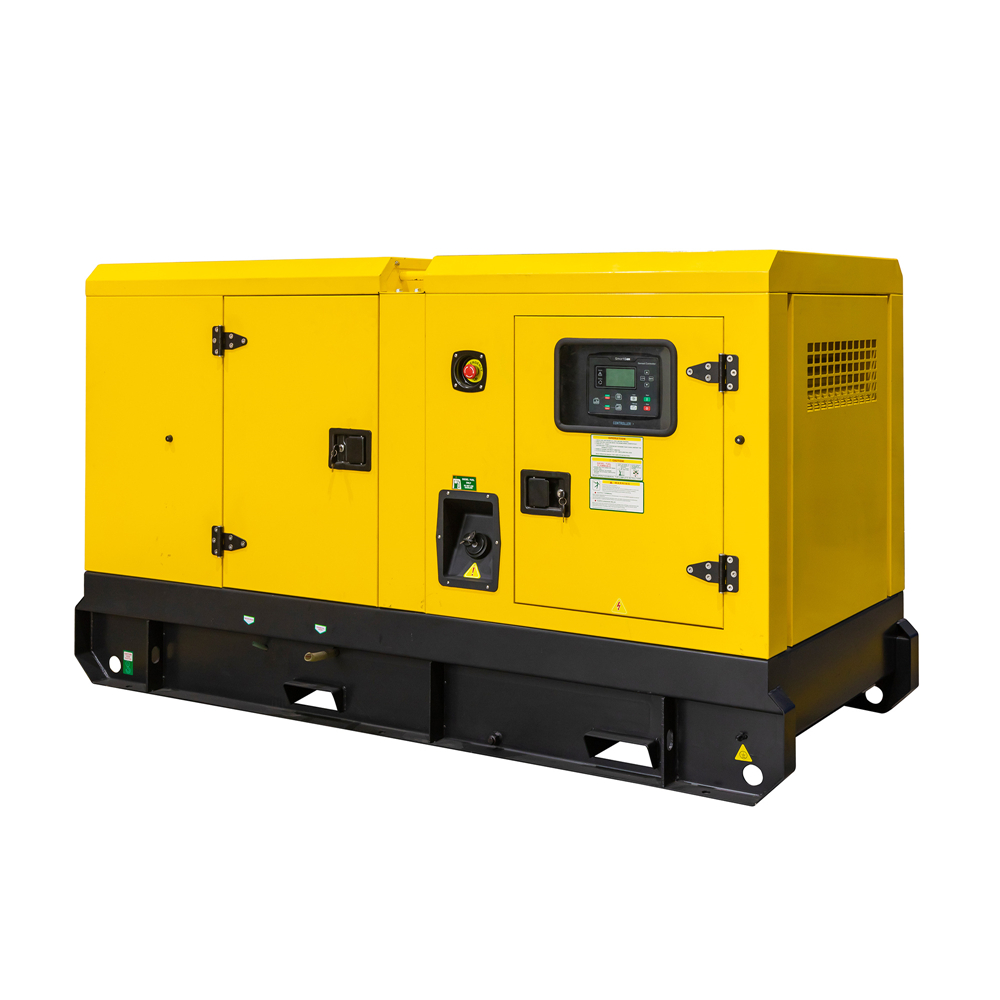
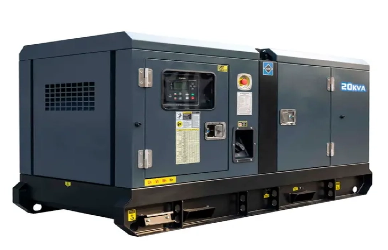
A container type generator refers to a generator housed in a steel or aluminum container, typically designed for easy transport and deployment in various environments. These generators are often used for industrial, commercial, and emergency applications where high power output and mobility are essential. They are equipped with features to provide protection from the elements, and many come with soundproofing features built into the container to reduce noise.
Noise is one of the major concerns when operating generators, especially in areas where quiet operation is necessary, such as residential neighborhoods, hospitals, or outdoor events. Generators, particularly diesel-powered ones, produce a combination of mechanical and exhaust noise, which can be disruptive. As container type generators are often used in places where reliability and durability are needed, managing their noise levels is crucial to ensure they don't disturb the surrounding environment.
The noise generated by container type generators comes from two primary sources: the engine and the exhaust system.
Engine Noise: The engine is responsible for generating the power output, and the mechanical parts involved in this process (like pistons and moving components) produce vibrations and noise. This is particularly true for diesel engines, which are inherently louder than gasoline engines due to their design and compression processes.
Exhaust Noise: The exhaust system, which expels gases from the engine, also contributes significantly to the noise level. Diesel engines often require larger exhaust systems to handle the emissions, and these systems can amplify the noise when the gases are expelled at high speeds.
The noise levels of container type generators can vary depending on several factors, including:
Generator Size: Larger generators tend to produce more noise because they operate at higher power outputs.
Engine Type: Diesel engines are louder than gasoline engines, and the quality of the engine's components can also affect noise production.
Location and Enclosure: The environment where the generator is placed can impact its noise. Generators placed in open spaces without barriers tend to produce more noise, while those in enclosed spaces may experience noise amplification.
Maintenance and Condition: Well-maintained generators tend to operate more quietly than those in poor condition. For example, old or worn-out engines may produce more noise due to inefficiency.
Container type generators are often equipped with built-in soundproofing features. These features include specialized insulation materials used within the container structure, which absorb and reduce sound. High-quality acoustic panels are often placed inside the container to help minimize engine and exhaust noise. The use of thick, durable steel or aluminum for the container itself also contributes to reducing noise transmission.
Some advanced models may include additional soundproofing layers, such as rubber or foam padding around the engine and exhaust system. This helps to absorb vibrations and prevent noise from escaping the container.
In addition to physical soundproofing, engine modifications can also help reduce noise. Modern diesel engines often come with noise-reducing technologies, such as dual-stage turbochargers and low-noise components designed to dampen engine vibrations.
Similarly, the exhaust system can be modified to reduce the amount of noise it generates. For example, mufflers and silencers can be added to the exhaust pipe to reduce the intensity of the sound produced when gases are expelled. These systems work by slowing down the exhaust gases and directing them through noise-dampening components before they are released.
One effective way to reduce the noise of a container type generator is by installing noise barriers or acoustic enclosures around the generator. These barriers are typically made of materials designed to absorb or deflect sound, such as concrete, heavy-duty plastic, or specialized soundproofing materials. By placing these barriers around the generator, the noise can be contained and redirected away from nearby areas.
In some cases, custom enclosures are built specifically for noise reduction. These enclosures can include multiple layers of soundproofing materials, ventilation systems, and reflective surfaces to ensure that the noise is minimized while still allowing the generator to operate efficiently.
The placement of a container type generator can also play a significant role in controlling noise. Strategic positioning in less sensitive areas, such as near walls, fences, or natural sound barriers like trees or hills, can help mitigate the impact of noise. Additionally, placing the generator in areas with natural acoustic insulation can provide a level of noise reduction without the need for additional structures.
It is also important to avoid placing the generator in direct proximity to residential areas or noise-sensitive facilities. When choosing a location, consider factors such as wind direction, which can carry noise, and distance from noise-sensitive areas to reduce the overall impact.
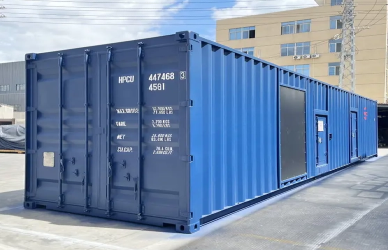
When comparing the noise levels of container type generators and regular generators, containerized models generally produce less noise due to the built-in soundproofing features. Regular generators, which lack an enclosure, tend to have higher noise levels, especially in environments where they are not housed in soundproof structures.
Container type generators are designed with more advanced noise control technologies, making them a better choice for environments where minimizing noise is important. On the other hand, regular generators may require additional measures such as noise barriers or soundproofed sheds to bring their noise levels down to acceptable standards.
In some cases, regular generators may be quieter than containerized models, particularly when they are small or use gasoline engines instead of diesel engines. Gasoline engines are typically less noisy than diesel engines, which could make small, gasoline-powered generators quieter in certain applications. However, the absence of a soundproof container means that the noise generated can be more easily heard, especially in areas with no noise-dampening barriers.
Container type generators equipped with advanced soundproofing are especially useful in urban areas where noise regulations are strict. These generators provide a reliable power source without disturbing residential neighborhoods or business districts. They are commonly used in construction sites, temporary events, and emergency power supplies, offering quiet operation while still delivering the necessary power.
Low-noise container type generators are also ideal for backup power in sensitive locations such as hospitals, data centers, and research facilities. These environments require continuous power without compromising the comfort of the people or the functionality of sensitive equipment. With advanced noise reduction technologies, these generators can operate quietly while ensuring the uninterrupted power supply needed for critical operations.
Container type generators are generally quieter than regular generators due to the built-in soundproofing features. However, the exact noise level depends on the generator's size, engine type, and the specific noise reduction technologies employed.
Yes, container type generators can be used in residential areas, especially if they are equipped with noise-reduction technologies. These generators are designed to minimize sound, making them suitable for urban environments and residential neighborhoods.
The best way to reduce noise from a container type generator is to ensure that it has adequate soundproofing, such as insulation materials and mufflers. Additionally, placing the generator in a location with natural noise barriers or using external noise barriers can further reduce sound transmission.
Yes, there are silent models of container type generators available. These models are designed with enhanced soundproofing and noise-reducing features, making them ideal for applications where quiet operation is essential.
In conclusion, container type generators are powerful and reliable energy solutions, but their noise levels can be a concern in certain environments. However, modern containerized generators are equipped with various built-in noise reduction features, such as soundproofing materials and mufflers, that significantly reduce their noise output. Additionally, external noise reduction methods like acoustic enclosures and strategic placement can further minimize the impact of sound. While regular generators may be louder and require additional measures for noise control, container type generators offer a more effective, quieter solution, especially in sensitive locations such as urban areas, hospitals, or residential zones. Ultimately, with the right design and proper placement, container type generators can provide efficient, low-noise power for a variety of applications, making them a versatile option for both industrial and residential use.