T: +86-139-5050-9685
E: sales@bycpower.com
E: sales@bycpower.com
No. 13, Jincheng road, Tiehu village, Chengyang town, Fuan city, Fujian, China


Views: 0 Author: Site Editor Publish Time: 2026-03-02 Origin: Site


When a power outage strikes, having a reliable backup power source becomes crucial to keep your home running smoothly. A mobile generator offers a flexible and convenient solution for homeowners who need temporary power during emergencies, ensuring that essential appliances and systems remain operational. Whether it's to keep your lights on, power your refrigerator, or maintain heating and cooling systems, a mobile generator can provide the necessary backup power. In this article, we will explore whether a mobile generator is suitable for home backup power, discuss its many benefits, highlight important considerations, and provide a guide on how to set it up safely and effectively.
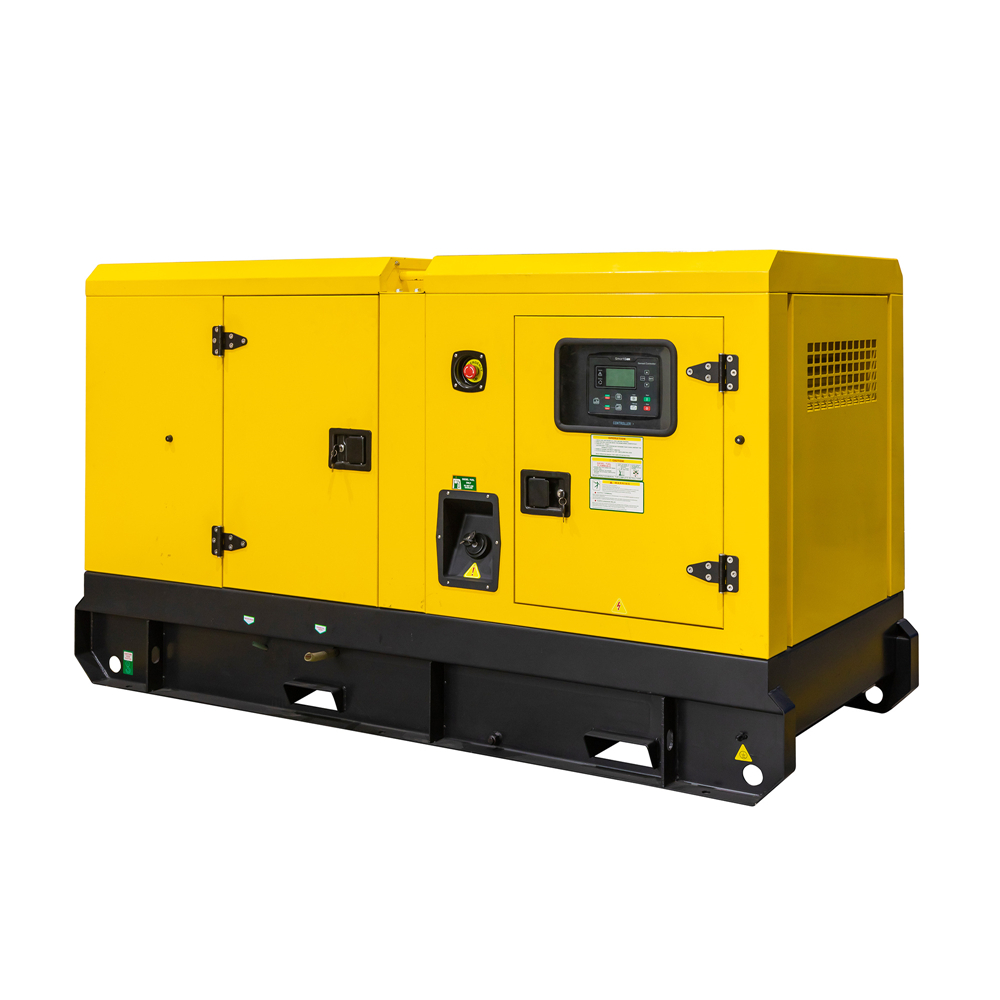
A mobile generator is a portable power unit typically fueled by gasoline, diesel, or natural gas, designed to provide electricity when the main power supply is unavailable. These generators are versatile and convenient because they can be easily transported to different locations, making them an excellent option for a wide range of applications. Unlike stationary backup generators, mobile generators are mounted on wheels, which allows for easy movement and deployment, ensuring that power can be provided wherever it’s needed.
Mobile generators are commonly used for outdoor events, construction sites, camping, or any situation where temporary power is required. They are especially useful in areas that experience frequent power outages or in locations that are far from the main grid. Their portability makes them ideal for providing power on the go, whether you're hosting an outdoor event, working on a construction site, or dealing with an emergency.
Mobile generators work by converting fuel into electrical energy, which is then delivered to your home through an extension cord or directly connected to the electrical system. Most mobile generators come with a variety of output options, including outlets for powering small appliances or larger systems, depending on their power capacity. While they are typically used for temporary power, with the right setup, they can serve as a reliable backup for your home during a power outage.
One of the main benefits of using a mobile generator for home backup is its portability. Unlike stationary backup generators, which are fixed in one place, mobile generators can be moved to wherever they are needed. This makes them ideal for situations where you may need power in multiple areas of your home or if you want the flexibility to move the generator to different locations for various needs.
Mobile generators are generally more affordable than permanent standby generators, which require professional installation and a connection to your home’s electrical system. Mobile generators allow you to avoid the upfront costs of a whole-house backup system and the ongoing maintenance fees associated with permanent setups. For homeowners who want a cost-effective backup option without committing to a full system, a mobile generator is an excellent choice.
Before using a mobile generator as a home backup power source, it’s essential to understand your power requirements. A mobile generator’s capacity is measured in watts, and you’ll need to calculate the wattage required to power the essential devices in your home. This typically includes lighting, refrigerators, heating or cooling systems, and other critical appliances. Ensure the generator’s power output is sufficient to meet these needs without overloading the system.
Mobile generators can be noisy, which can be a concern if you live in a residential area or have neighbors nearby. Most generators produce noise levels between 60 to 80 decibels, which is similar to the sound of a vacuum cleaner or heavy traffic. Additionally, generators emit exhaust fumes, which can be hazardous if used in enclosed spaces. To address these issues, it's important to place the generator in a well-ventilated area, ideally outside, and maintain a safe distance from living spaces.
When selecting a mobile generator for home use, you’ll need to determine the power output required. This is typically measured in kilowatts (kW) or watts. To calculate the appropriate size, list all the appliances and systems you want to power and check their wattage requirements. Add up the total wattage and select a mobile generator that can handle at least that amount, with some extra capacity to avoid overloading the generator.
Mobile generators come in different fuel options, including gasoline, diesel, and natural gas. Each fuel type has its advantages and drawbacks, so choosing the right one depends on your needs. Gasoline generators are easy to find and usually the least expensive, but they require more frequent refueling. Diesel generators offer better fuel efficiency and longer runtimes, making them suitable for longer power outages. Natural gas generators are a clean option but depend on your access to a natural gas line. Consider the availability of fuel and your home’s specific needs when making a decision.
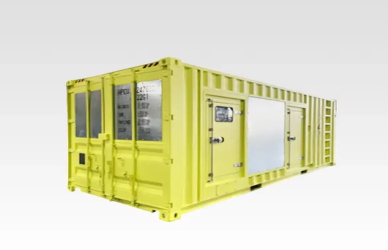
To use a mobile generator for home backup, it must be safely connected to your home’s electrical system. While some smaller generators can power appliances through extension cords, larger systems often require a transfer switch that connects the generator directly to your home’s circuit panel. This ensures that the generator can safely supply power to your home without backfeeding into the electrical grid, which is a safety hazard.
Although mobile generators are designed to be portable, you can opt for a more permanent setup for convenience. This might include placing the generator in a shed or building a custom enclosure to protect it from the elements. For safety, the generator should be installed with proper ventilation and in a location that minimizes noise and exhaust exposure to living areas.
When using a mobile generator for home backup, safety is paramount. Always ensure that the generator is placed outside, away from windows, doors, or vents to prevent the buildup of harmful exhaust fumes inside your home. Never use a generator in an enclosed space like a garage, even if the door is open, as carbon monoxide can accumulate quickly. Also, avoid overloading the generator, and regularly check the oil and fuel levels to ensure proper operation.
Like any piece of machinery, mobile generators require regular maintenance to keep them running efficiently. This includes checking and changing the oil, cleaning or replacing air filters, and inspecting the spark plugs. Additionally, fuel should be stabilized if the generator is not in use for extended periods. Keeping your mobile generator well-maintained ensures that it will be ready to provide backup power when you need it most.
While mobile generators can power essential appliances and systems, they may not be able to handle an entire home’s electrical load. For whole-house backup power, you will need a generator with a larger power output, typically in the range of 10-20 kW, depending on your energy needs.
The runtime of a mobile generator depends on its fuel type and load. Gasoline-powered generators typically run for 6-10 hours on a full tank, while diesel generators may run for 12-24 hours. The runtime will also vary depending on the power load you place on the generator.
No, mobile generators should never be used indoors or in enclosed spaces. They produce carbon monoxide, a dangerous gas that can accumulate quickly in closed areas. Always place the generator outside in a well-ventilated area, at least 20 feet away from windows or vents.
The operating cost of a mobile generator depends on its fuel efficiency, the price of fuel, and the load it is supporting. Generally, running a generator can cost anywhere from $0.50 to $2.00 per hour, depending on the fuel type and usage. Diesel generators tend to be more fuel-efficient than gasoline models, which can help reduce operating costs over time.
In conclusion, a mobile generator can be an ideal solution for home backup power, providing flexibility and reliability during power outages. Its portability and affordability make it an attractive option for homeowners looking for a cost-effective, temporary power source. By carefully selecting the right generator size, fuel type, and ensuring proper installation, mobile generators can effectively power essential appliances in your home. However, safety is crucial, and it’s important to follow all safety guidelines, including placing the generator outdoors and conducting regular maintenance. With the right precautions, a mobile generator can keep your home powered when you need it most, without the need for expensive permanent installations.