T: +86-139-5050-9685
E: sales@bycpower.com
E: sales@bycpower.com
No. 13, Jincheng road, Tiehu village, Chengyang town, Fuan city, Fujian, China


Views: 0 Author: Site Editor Publish Time: 2025-12-30 Origin: Site


An AC alternator is an essential device used for converting mechanical energy into electrical energy in numerous industrial and commercial applications. At BYC Power, we specialize in the manufacturing of high-quality AC alternators, which offer efficient and reliable performance when integrated with diesel generators. These alternators are pivotal in ensuring optimal power generation, making them the ideal choice for various applications where consistent and durable power supply is crucial.
Understanding the working principle of an AC alternator helps not only in selecting the right product but also in making informed decisions regarding maintenance and operational efficiency. This article will explain how AC alternators work, their components, and why they are so effective in power generation.
An AC alternator is a type of electrical machine used to convert mechanical energy into alternating current (AC) electricity. It works by utilizing the principle of electromagnetic induction, where a moving magnetic field induces an electric current in the stator. Typically, an AC alternator is driven by an engine, often a diesel generator, making it an essential component in off-grid or backup power systems.
Unlike DC generators, which produce direct current, AC alternators produce alternating current, which is essential for powering most of the electrical systems worldwide. The use of alternating current is widespread because it allows for easier long-distance transmission, as it can be stepped up or down in voltage without significant power loss.
The working principle of an AC alternator is based on electromagnetic induction, a phenomenon discovered by Michael Faraday. This principle states that when a conductor moves through a magnetic field, it induces an electromotive force (emf) in the conductor. In an AC alternator, mechanical energy, typically from a diesel engine, is used to rotate the rotor. The rotor has magnets or electromagnetic windings that create a magnetic field.
As the rotor spins, this magnetic field interacts with the stator (the stationary part of the alternator). The changing magnetic flux through the stator windings induces an alternating current in them. This process of generating electricity is what makes the AC alternator so crucial for power generation.
The rotation of the rotor within the magnetic field is what drives the process of electromagnetic induction. As the rotor spins, the magnetic field continuously changes, inducing an alternating current in the stator. The frequency of the alternating current is determined by the speed at which the rotor spins, with higher speeds producing higher frequencies.
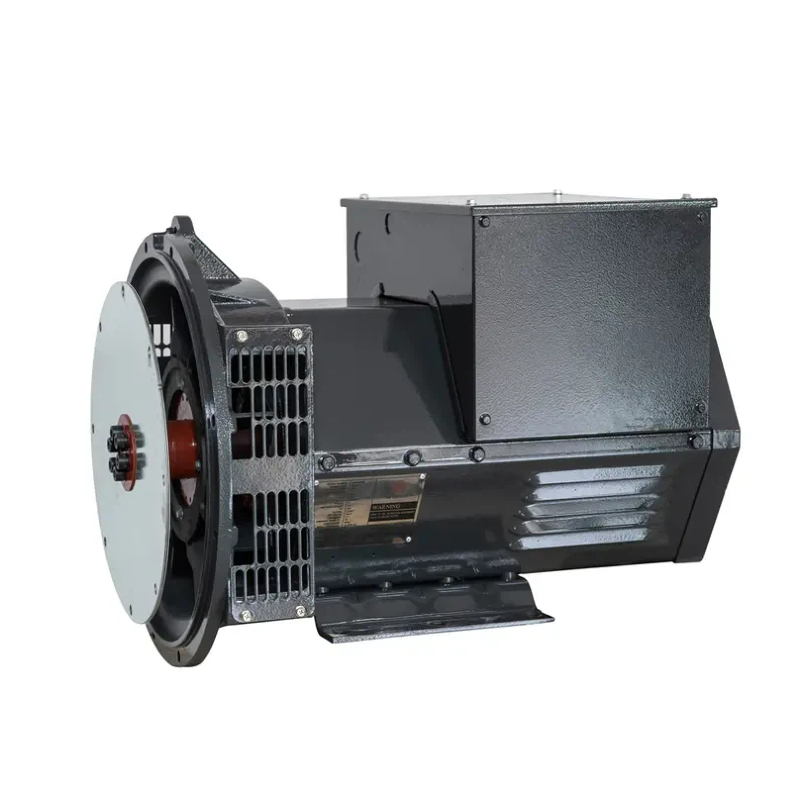
The stator is the stationary part of the alternator, containing coils or windings where the induced current flows. The rotor, located inside the stator, is the moving part that generates the magnetic field. The interaction between the magnetic field created by the rotor and the coils in the stator is what induces the alternating current in the stator. This continuous rotation and interaction are key to the efficient operation of the AC alternator.
The stator is a crucial component of the AC alternator, as it is where the electricity is generated. The stator consists of several coils or windings made of copper or aluminum wire. As the rotor spins, the magnetic field it generates induces an electric current in the stator windings. The configuration of the stator windings, including the number of poles and coils, determines the power output and efficiency of the alternator.
The rotor is the rotating component of the AC alternator and is responsible for creating the magnetic field. Typically driven by a diesel engine, the rotor consists of either permanent magnets or electromagnets. As the rotor spins, its magnetic field interacts with the stator windings, inducing a current. The rotor’s design and speed determine the efficiency and power output of the alternator.
In an AC alternator, a rectifier is used to convert the alternating current (AC) into direct current (DC) if necessary, especially in applications where DC power is required, such as battery charging. However, most AC alternators are designed to output AC power directly, which can then be used to power various equipment. Additionally, a voltage regulator is integrated to maintain a consistent output voltage, even when the load or rotor speed fluctuates. This ensures stable and reliable power for all connected systems.
Understanding the step-by-step operation of an AC alternator is essential for maximizing its efficiency and reliability. Here’s a breakdown of how the process works:
Step | Description |
1. Mechanical Input Source | The rotor is powered by an external mechanical source, often a diesel engine or generator. This provides the rotational energy needed for power generation. |
2. Magnetic Flux Generation | As the rotor spins, it generates a rotating magnetic field. This changing magnetic flux interacts with the stator windings. |
3. Induced Electromotive Force (emf) | The magnetic field induces an electromotive force (emf) in the stator windings, generating alternating current (AC). |
4. AC Output Generation | The generated AC is directed to external loads or stored for use. The power output can be used directly or converted as needed. |
5. Voltage Regulation | A voltage regulator ensures that the AC output maintains a stable voltage, regardless of load variations or engine speed fluctuations. |
The mechanical input is typically supplied by a diesel engine or another type of prime mover. The engine drives the rotor at a specific speed, ensuring consistent operation of the AC alternator. The engine's power is directly proportional to the alternator’s output.
As the rotor spins, it creates a magnetic flux that passes through the stator. This changing magnetic flux induces an emf in the stator windings, generating alternating current.
The induced AC is then converted into usable power and directed to various loads, such as machinery, lights, or industrial equipment. This is where the AC alternator’s reliability and performance are most critical, as fluctuations in output can disrupt operations.
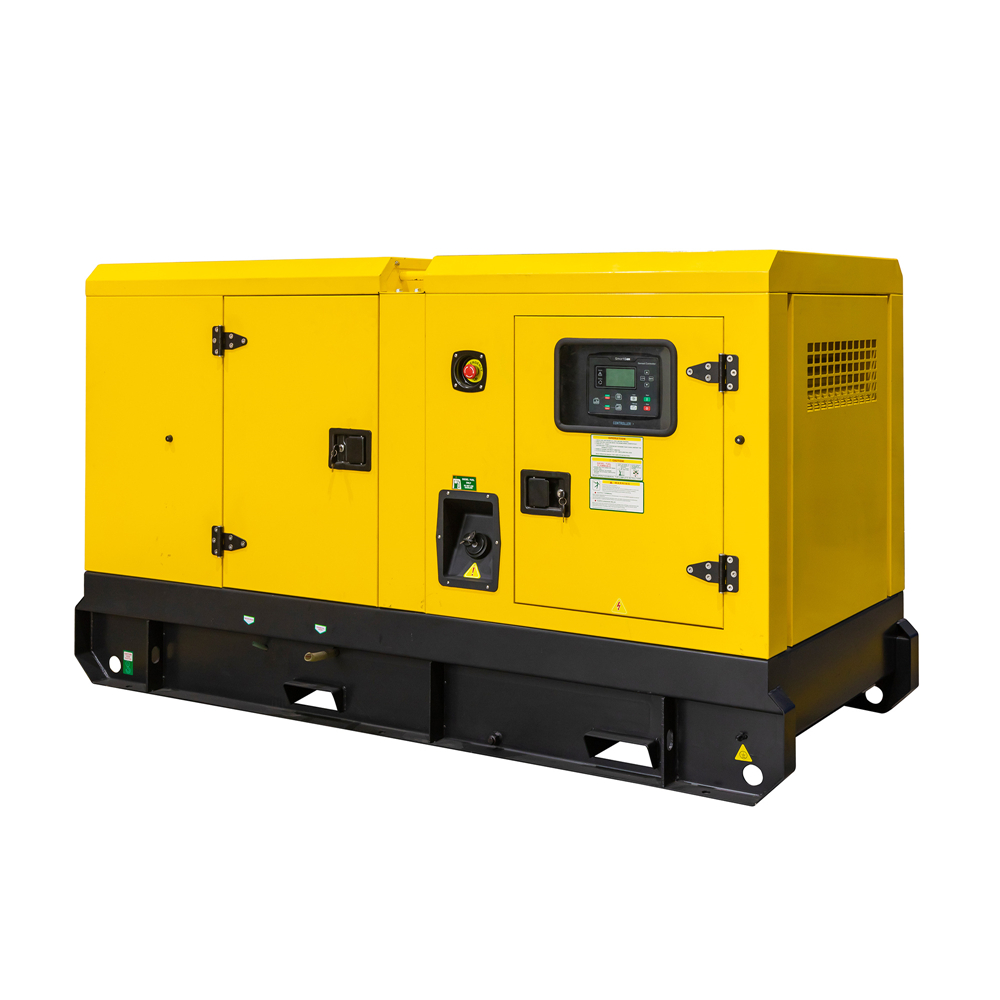
In real-world applications, AC alternators are often integrated into diesel-powered generator sets. These systems are used in remote locations, construction sites, or industrial plants where access to the electrical grid is limited. In such cases, AC alternators provide the necessary power to keep operations running smoothly.
For example, in a remote mining site, a diesel generator set with an AC alternator can supply electricity for drilling machinery, lighting, and other essential systems. The AC alternator ensures that the power output remains stable even as the load changes throughout the day.
One of the key advantages of using an AC alternator is the efficiency gained from its three-phase output. Three-phase AC systems are more efficient than single-phase systems because they deliver power in a more consistent and balanced manner. This is especially beneficial for high-demand applications, where a steady and reliable power supply is crucial.
Unlike DC generators, which rely on brushes and commutators to transfer current, AC alternators often feature a brushless design. This eliminates the need for frequent maintenance and reduces wear and tear on the system. As a result, AC alternators are more reliable and have a longer lifespan compared to DC generators.
In conclusion, the AC alternator is a crucial component in modern power generation systems. By converting mechanical energy into electrical energy through electromagnetic induction, AC alternators provide a reliable and efficient power source for industrial, commercial, and off-grid applications. Understanding how AC alternators work is essential for making informed decisions about power systems and ensuring optimal performance. At BYC Power, we are committed to delivering high-quality AC alternators that meet the demanding needs of our customers.
If you’re looking for an efficient and reliable AC alternator for your power generation needs, don’t hesitate to contact us at BYC Power. Our team of experts is ready to help you choose the right product for your specific requirements.
1. How does an AC alternator differ from a DC generator?
An AC alternator generates alternating current, while a DC generator produces direct current. AC alternators are used more widely due to their ability to deliver efficient power over long distances.
2. What are the benefits of using a three-phase AC alternator?
A three-phase AC alternator provides more efficient and stable power output, making it ideal for industrial and commercial applications where high demand and reliability are critical.
3. Can an AC alternator be used in residential applications?
While AC alternators are typically used in industrial and commercial settings, they can also be used in residential off-grid power systems, particularly when paired with diesel generators.
4. How does the voltage regulator work in an AC alternator?
The voltage regulator ensures that the output voltage remains stable even when there are fluctuations in load or rotor speed, providing consistent power for all connected systems.