T: +86-139-5050-9685
E: sales@bycpower.com
E: sales@bycpower.com
No. 13, Jincheng road, Tiehu village, Chengyang town, Fuan city, Fujian, China


Views: 0 Author: Site Editor Publish Time: 2025-12-31 Origin: Site


An AC alternator voltage regulation system plays a crucial role in ensuring the stability and reliability of power generated by alternators. At BYC Power, we specialize in manufacturing high-quality AC alternators designed to work seamlessly with diesel generators, delivering consistent power output in industrial and commercial settings. In this article, we will explore the importance of voltage regulation in AC alternators, explaining how it works and why it is essential for maintaining the performance and longevity of your power systems.
Voltage regulation in an AC alternator refers to the ability of the alternator to maintain a constant output voltage, even as the load or operating conditions change. Without effective voltage regulation, the output voltage of an alternator can fluctuate, which can lead to unstable power delivery. This instability may cause electrical equipment to malfunction or be damaged.
In essence, voltage regulation ensures that the alternator produces a steady supply of electricity, regardless of fluctuations in the demand for power. This is particularly important in systems that require consistent and stable power, such as industrial machinery, medical equipment, and critical infrastructure. AC alternator voltage regulation is essential to protect both the alternator and the connected electrical systems from potential damage.
When there is no voltage regulation system in place, the output voltage of the AC alternator can vary significantly. These fluctuations can occur due to changes in engine speed, load, or temperature, leading to under-voltage or over-voltage conditions. This can affect the performance of electrical equipment, cause damage to sensitive components, or even cause complete system failure. Proper voltage regulation ensures that these issues are avoided, providing a reliable power source for all applications.
The voltage regulator in an AC alternator monitors and controls the output voltage to maintain a stable and consistent level. It achieves this by adjusting the field current, which in turn influences the strength of the magnetic field produced by the rotor.
The primary function of the voltage regulator is to control the field current. The rotor of the alternator is powered by the field current, and this current controls the strength of the magnetic field. The voltage regulator adjusts the field current to ensure that the alternator’s output voltage remains stable, regardless of changes in the load or engine speed. By doing so, it ensures a consistent power supply for the connected systems.
One of the key benefits of modern AC alternator voltage regulation systems is their ability to automatically adjust to changes in load. As the load on the alternator increases or decreases, the voltage regulator adjusts the field current to maintain the desired output voltage. This automatic adjustment ensures that the AC alternator can handle varying power demands without compromising the stability or quality of the output.
There are several types of voltage regulation systems used in AC alternators, each designed to meet specific power generation needs. These systems include electronic, automatic, and computer-controlled designs. Understanding the differences between these systems is important when selecting the right alternator for your application.
Electronic Voltage Regulation: Electronic voltage regulators use advanced circuitry to monitor and adjust the output voltage of the AC alternator. These regulators are precise and offer quick response times, making them ideal for applications that require high levels of accuracy and stability.
Automatic Voltage Regulation: Automatic voltage regulators use mechanical components to adjust the field current and maintain a constant output voltage. While they are less precise than electronic regulators, they are still effective in most industrial applications and are often used in older systems.
Computer-Controlled Voltage Regulation: Computer-controlled voltage regulation systems use digital technology to monitor and adjust the alternator’s output voltage. These systems offer the highest level of precision and are commonly used in modern, high-performance power generation systems.
In industrial applications, AC alternators often use electronic or computer-controlled voltage regulation systems. These systems provide the necessary precision and reliability to handle the demanding power requirements of industrial machinery and equipment. By ensuring a stable power supply, these voltage regulators help protect sensitive electrical systems from voltage fluctuations and ensure continuous operation.
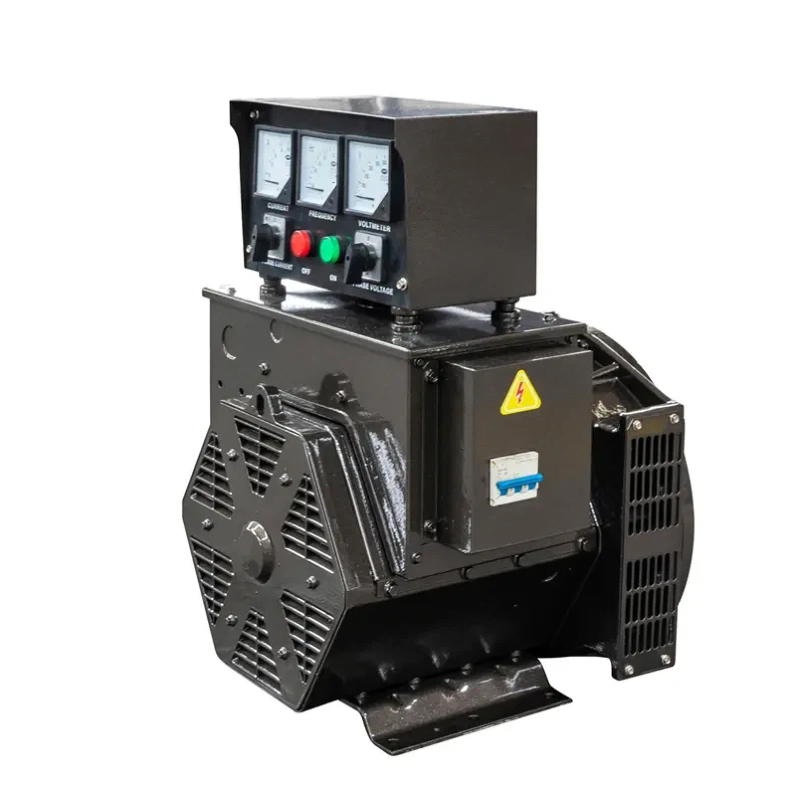
Voltage regulation has a direct impact on the performance and longevity of both the AC alternator and the connected electrical systems. A well-regulated alternator provides stable power, reducing the risk of equipment damage and improving the efficiency of the entire system.
One of the key benefits of AC alternator voltage regulation is the ability to maintain stable power output, even under varying loads. As the load on the alternator increases or decreases, the voltage regulator automatically adjusts the field current to ensure that the output voltage remains constant. This stability is critical for applications that require continuous power, such as industrial manufacturing processes or data centers.
Voltage regulation also plays a crucial role in protecting the electrical systems connected to the AC alternator. Fluctuations in voltage can damage sensitive components, such as computers, control systems, and batteries. By maintaining a steady voltage output, the voltage regulator ensures that the connected systems are protected from damage, extending their lifespan and reducing the need for costly repairs or replacements.
When choosing an AC alternator, understanding the importance of voltage regulation is crucial. Different applications have different power requirements, and voltage regulation ensures that the AC alternator can meet these needs reliably.
Voltage regulation is especially important in applications where the electrical load is highly variable or where stable power is critical. For example, industries that rely on heavy machinery or sensitive electronics require stable power to ensure that their systems operate efficiently and without interruption. Voltage regulation is also important in backup power systems, where reliable and stable power is essential to ensure that critical systems remain operational during power outages.
When selecting an AC alternator, it is important to assess the quality of the voltage regulator. High-quality regulators provide precise control over the output voltage and offer faster response times to load changes. Look for regulators that are designed for the specific needs of your application and ensure that they meet the required performance standards.
Without proper voltage regulation, the AC alternator can experience significant issues that affect both its performance and the longevity of connected equipment. Below are some potential problems that can arise:
When voltage regulation is inadequate, the output voltage of the AC alternator can fluctuate significantly. These fluctuations can cause power surges or drops, which can damage sensitive equipment or cause it to operate inefficiently.
Inconsistent voltage can lead to premature wear and tear on electrical components, reducing their lifespan. Without proper regulation, the AC alternator itself may also suffer from overheating or excessive stress, leading to a shorter operational life.
In conclusion, AC alternator voltage regulation is a crucial component in ensuring the stable and reliable performance of power generation systems. By maintaining a consistent output voltage, voltage regulators protect both the alternator and connected systems from potential damage, improving efficiency and extending the lifespan of equipment. At BYC Power, we offer high-quality AC alternators with high-quality voltage regulation systems to meet the demanding needs of our customers. Our alternators are designed for optimal performance in industrial and commercial applications, providing reliable power when you need it most.
If you are interested in learning more about how AC alternators with voltage regulation can benefit your power systems, contact us at BYC Power today. Our team is ready to help you choose the right alternator for your needs.
1. What is the role of voltage regulation in an AC alternator?
Voltage regulation ensures that the AC alternator maintains a consistent output voltage, even when the load or operating conditions change. This helps prevent equipment damage and ensures stable power delivery.
2. How do voltage regulators work in an AC alternator?
Voltage regulators control the field current in the alternator’s rotor, adjusting the magnetic field strength to maintain a constant output voltage, even as the load or engine speed fluctuates.
3. What are the different types of voltage regulation systems?
There are electronic, automatic, and computer-controlled voltage regulation systems. Electronic and computer-controlled systems are commonly used in modern industrial applications for their precision and reliability.
4. Why is voltage regulation important for industrial applications?
Voltage regulation is essential in industrial applications to ensure stable power output for heavy machinery and sensitive equipment, preventing damage and improving efficiency.