T: +86-139-5050-9685
E: sales@bycpower.com
E: sales@bycpower.com
No. 13, Jincheng road, Tiehu village, Chengyang town, Fuan city, Fujian, China


Views: 0 Author: Site Editor Publish Time: 2026-01-06 Origin: Site


Choosing the right AC alternator for your system can make a significant difference in performance, efficiency, and reliability. At BYC Power, we manufacture AC alternators that offer excellent performance for a wide range of applications, from industrial settings to commercial power generation. This guide will walk you through the key factors to consider when selecting an AC alternator, ensuring that you make the best choice for your power needs.
Before selecting an AC alternator, it is essential to understand your power requirements. Different applications require different power capacities, and knowing your load size and type will help you choose the right alternator.
The first step in choosing an AC alternator is determining the size and type of load you need to power. Industrial loads typically demand more power, especially when dealing with heavy machinery or equipment that operates continuously. On the other hand, commercial loads may have less demanding power needs, but they still require stable and reliable power for systems like air conditioning, lighting, and other essential equipment.
Understanding whether you need continuous or standby power is another crucial factor. Continuous power is required for systems that must run all the time, such as manufacturing plants or large commercial operations. Standby power, however, is typically used as a backup during power outages or emergencies, making it less critical to have a larger alternator. Knowing whether your system requires continuous or standby power will guide you in selecting the appropriate AC alternator.
Once you understand your power requirements, you can begin comparing the technical specifications of AC alternators. The key specifications include power rating, voltage and frequency compatibility, and phase number.
The power rating of an AC alternator is a crucial specification that determines how much electrical power the alternator can generate. The power rating is typically given in kilovolt-amperes (kVA) or kilowatts (kW). To determine the right power rating, you must assess the total power demand of your system. For industrial applications, higher power ratings are typically required, while smaller commercial systems may need a less powerful alternator.
When selecting an AC alternator, ensure that the voltage and frequency are compatible with the requirements of your system. In most regions, the standard voltage is either 120V or 230V, while the frequency is usually 50Hz or 60Hz. Choosing an alternator with the correct voltage and frequency is essential for the proper functioning of your electrical equipment.
Another critical factor to consider is the number of phases. AC alternators can be either single-phase or three-phase. Single-phase alternators are typically used in smaller applications with lower power needs, while three-phase alternators are ideal for larger industrial systems that require more consistent and efficient power. Three-phase systems distribute power evenly across three conductors, making them more efficient for high-power applications.
Efficiency and build quality are key factors when choosing an AC alternator, as they can directly impact the operating costs and longevity of the alternator.
An efficient AC alternator will use less energy to generate the same amount of power, which leads to lower operating costs. In industrial and commercial settings, energy efficiency can translate into significant savings over time. Additionally, an efficient alternator produces less heat, reducing the strain on the system and extending its lifespan.
The stator and rotor are the core components of an AC alternator, and their design plays a crucial role in the alternator’s efficiency and reliability. A robust stator and rotor design ensures that the alternator can handle varying loads without overheating or failing. When selecting an alternator, look for high-quality materials and designs that can withstand the demands of your system.
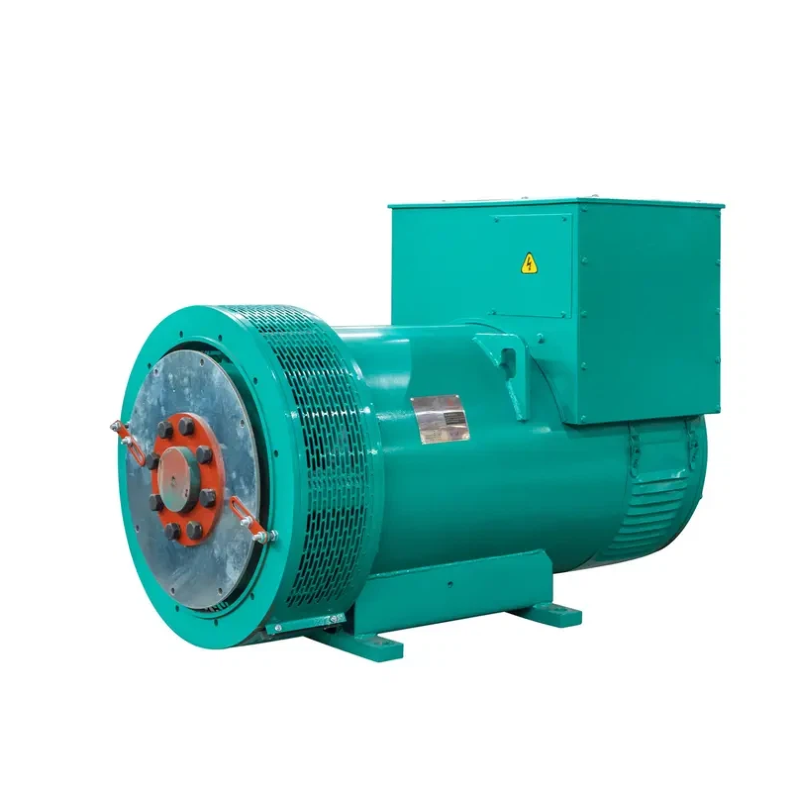
Voltage regulation is a crucial feature in ensuring that your AC alternator produces stable and reliable power. A voltage regulator maintains the output voltage at a consistent level, even when there are fluctuations in the load or the engine speed.
When selecting an AC alternator, it is important to choose one with a reliable voltage regulator. A high-quality voltage regulator will adjust the alternator’s output to maintain a stable voltage, ensuring that your equipment operates efficiently and safely. It is particularly important to have a reliable regulator in systems where power stability is critical, such as industrial machinery or sensitive electronics.
Different applications have different voltage regulation needs. For example, industrial applications often require precise voltage control to protect sensitive equipment and ensure optimal performance. On the other hand, smaller commercial systems may have less stringent voltage regulation requirements. Understanding your application’s specific voltage regulation needs will help you select the right AC alternator for your system.
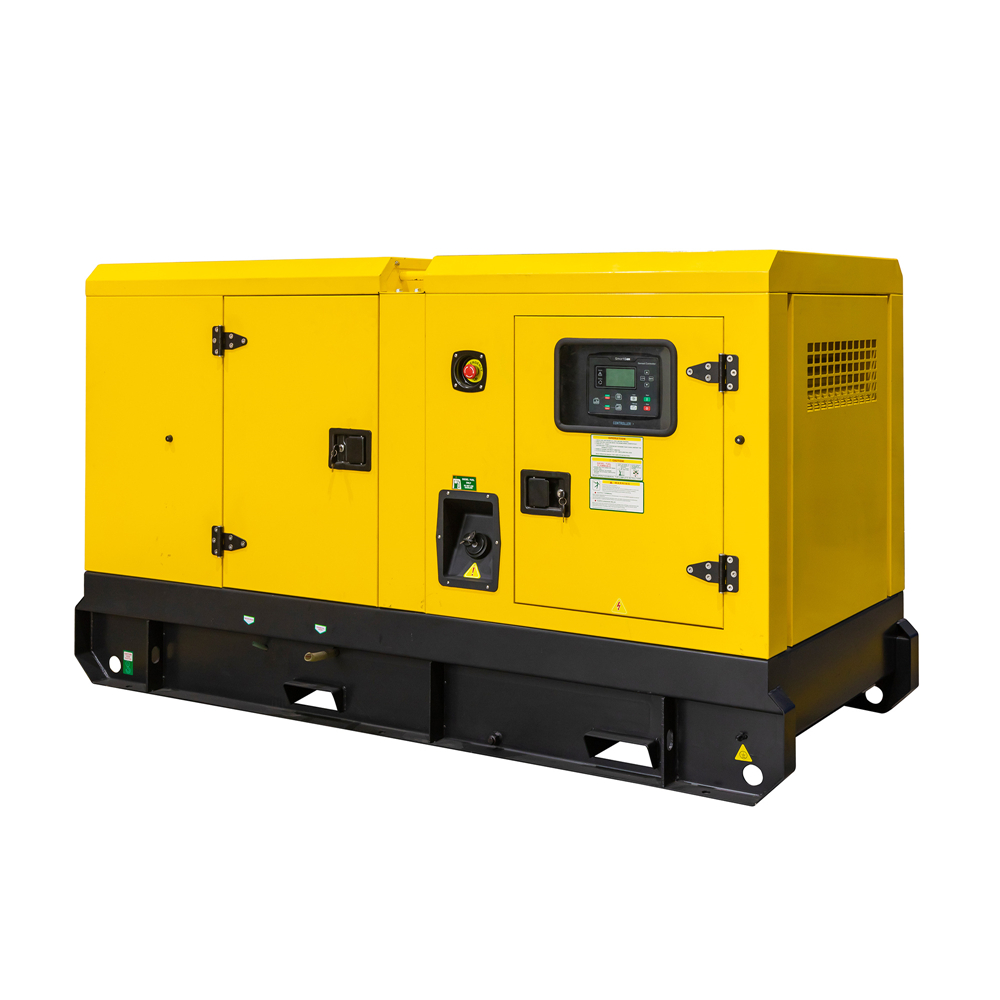
An AC alternator is often used in conjunction with a diesel generator or another type of prime mover. Ensuring compatibility between the alternator and your generator set is essential for optimal performance.
When selecting an AC alternator, make sure it is compatible with the engine or prime mover that will drive it. The power output of the engine must match the requirements of the alternator, and the alternator must be able to handle the engine’s speed and torque. For example, a high-power alternator may require a larger engine to provide sufficient mechanical power.
Proper integration between the generator and AC alternator is crucial for smooth operation. Ensure that the alternator is designed to work seamlessly with the generator, with compatible mounting systems, connection points, and control systems. Proper integration helps prevent mechanical stress and reduces the risk of system failures.
When purchasing an AC alternator, it is important to choose a supplier that offers strong after-sales support and services. This can help ensure the longevity and efficiency of your system.
Look for a supplier that offers a comprehensive warranty on their AC alternators. A good warranty will provide peace of mind in case of unexpected failures or defects. Additionally, ensure that the supplier has a reliable supply of spare parts, as this will help you maintain and repair the alternator over its lifespan.
Technical support during installation is another important consideration. A supplier that offers installation assistance can help ensure that your AC alternator is set up correctly and operates at peak efficiency. Look for a supplier that provides installation guides, online support, or on-site assistance to make the process as smooth as possible.
Choosing the right AC alternator for your system is a critical decision that impacts the performance, reliability, and efficiency of your power generation setup. By understanding your power requirements, comparing key specifications, and considering factors like efficiency, voltage regulation, and build quality, you can make an informed decision. At BYC Power, we offer a comprehensive range of AC alternators that are designed to meet the demands of both industrial and commercial applications. Our alternators are built with quality materials and are backed by reliable support services to ensure long-term performance.
If you are looking for the right AC alternator for your system, contact us today. Our experts are ready to help you choose the perfect alternator to suit your needs and ensure reliable, efficient power generation.
1. How do I determine the right power rating for an AC alternator?
The power rating of an AC alternator depends on the total power demand of your system. For industrial applications, you will need a higher power rating to handle large loads, while smaller commercial systems can use a lower power rating.
2. What is the difference between single-phase and three-phase AC alternators?
Single-phase AC alternators are typically used for smaller applications with lower power requirements, while three-phase AC alternators are used in industrial systems for more consistent and efficient power generation.
3. Why is voltage regulation important in an AC alternator?
Voltage regulation ensures that the AC alternator produces a stable and consistent output voltage, preventing fluctuations that could damage equipment or cause inefficiency in power systems.
4. How do I ensure that my AC alternator is compatible with my generator set?
When selecting an AC alternator, ensure that the alternator’s power requirements match those of the generator, and check for compatibility in mounting systems, connection points, and control systems.